9 Gemstones for Navratri: Meaning, Benefits and Significance
Quick Answer: The nine gemstones associated with Navratna in Vedic astrology...
By Rahul Goyal | 16th October 2026
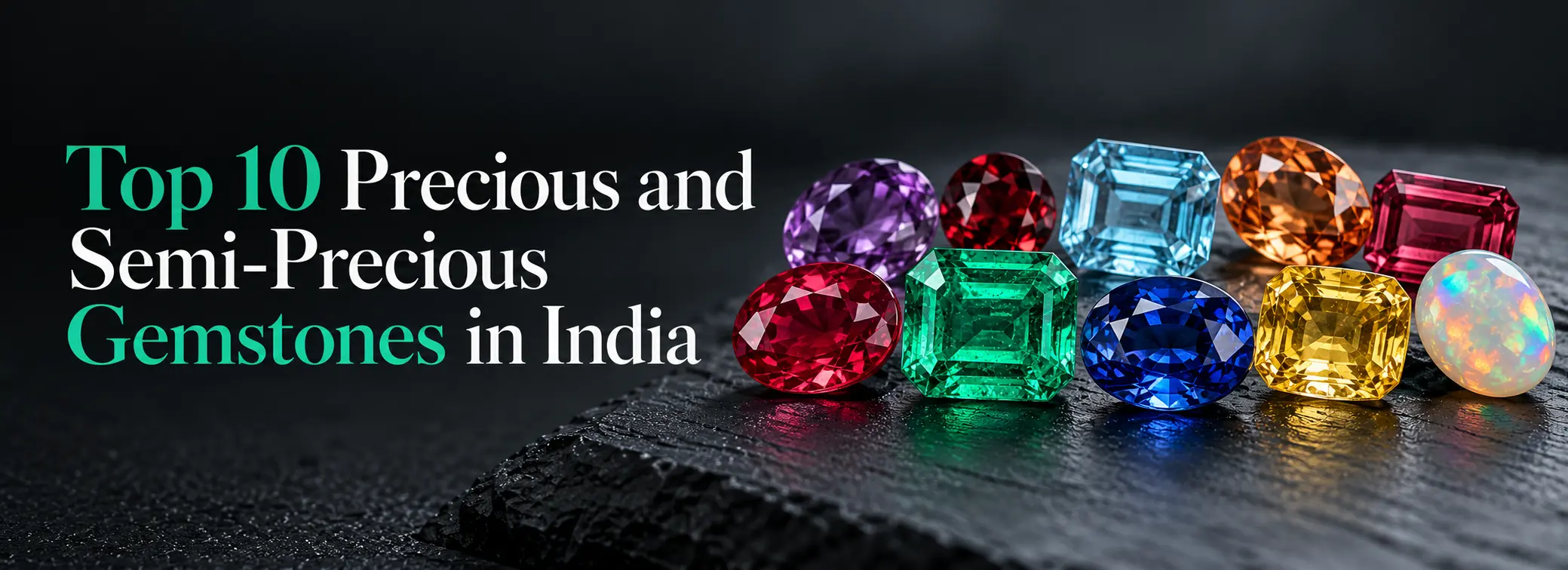
The top 10 precious and semi-precious gemstones covered in this guide are Ruby (Manik), Blue Sapphire (Neelam), Emerald (Panna), Yellow Sapphire (Pukhraj), Red Coral (Moonga), Australian Opal, Ametrine, Amethyst, Irani Turquoise (Firoza), and Citrine (Sunela). These gemstones are known for their distinctive colours, natural characteristics, and use in jewellery. Their prices depend on colour, clarity, carat weight, origin, treatments, rarity, and certification. There is no universal price ranking because a high-quality gemstone from one category can sometimes be more valuable than a lower-quality stone from another.
Gemstones have been valued for centuries for their natural beauty, distinctive colours, and use in jewellery. From the rich red appearance of ruby to the deep blue shades of blue sapphire and the vibrant purple colour of amethyst, every gemstone has its own characteristics.
If you are exploring precious and semi-precious gemstones, understanding their names, types, quality factors, and approximate price differences can help you make an informed choice.
Gemstones are traditionally classified as precious or semi-precious in the jewellery trade. However, these labels do not automatically determine the actual market value of a stone. Quality, rarity, treatments, and buyer demand all influence its price.
In this guide, we cover ten gemstones available in the Rahul Goyal Official collection, including their colours, key characteristics, common uses, and factors that affect their value.
Explore the best precious and semi-precious gemstones, known for their unique colours, natural beauty, and distinctive characteristics. Learn about their types, key features, and factors affecting their prices to make an informed gemstone selection.
Ruby manik stone is a red variety of the mineral corundum. Its colour ranges from pinkish red to vivid red, depending on the individual stone's characteristics. It is widely used in rings, pendants, earrings, and other fine jewellery.
Ruby is often associated with elegance and bold colour, making it a popular choice for people who prefer striking gemstones.
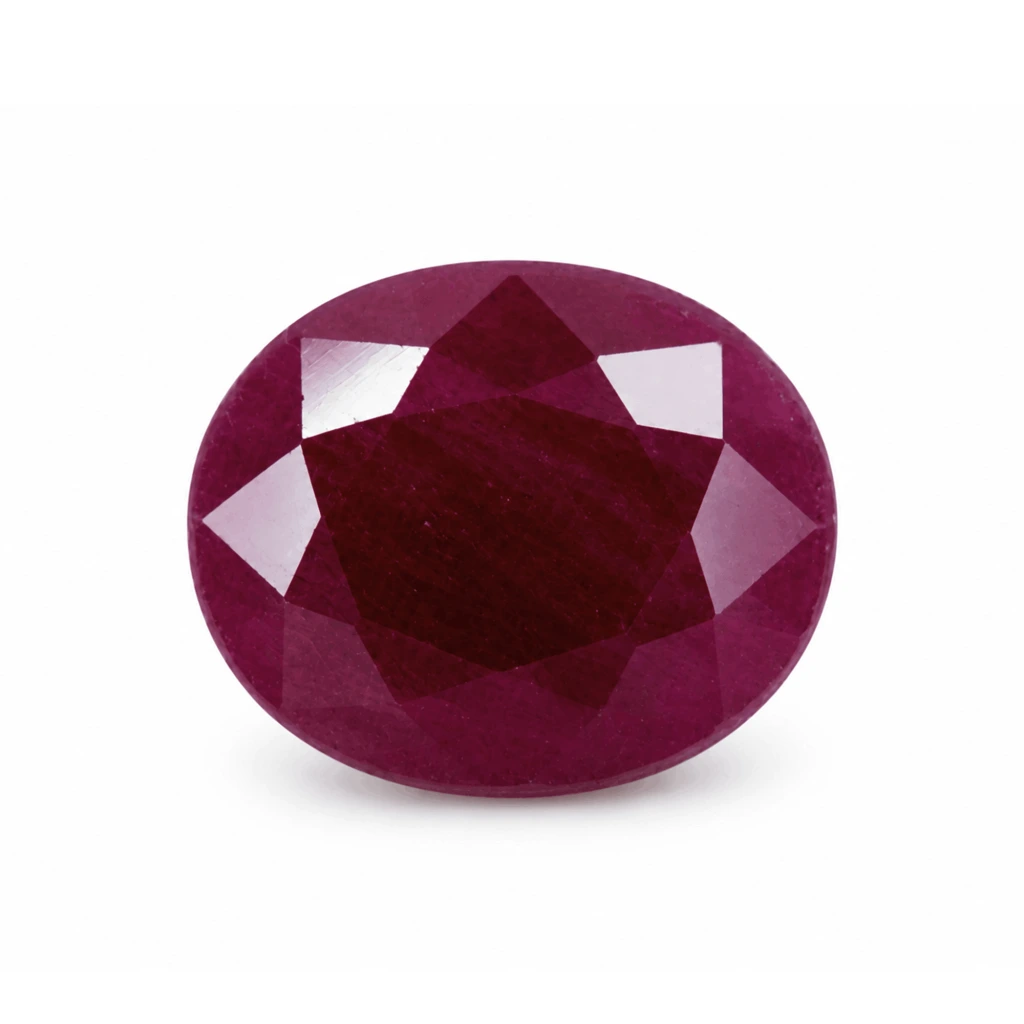
Fine-quality ruby can command high prices, particularly when it has desirable colour and documented quality. However, not every ruby is more expensive than every blue sapphire or emerald.
The blue sapphire gemstone is a variety of corundum recognised for its blue colour. It can range from light blue to deep blue, with its appearance influenced by colour distribution, clarity, and cut.
Blue sapphire is used in rings, pendants, bracelets, and other jewellery designs. It is also known as Neelam in Indian gemstone terminology.
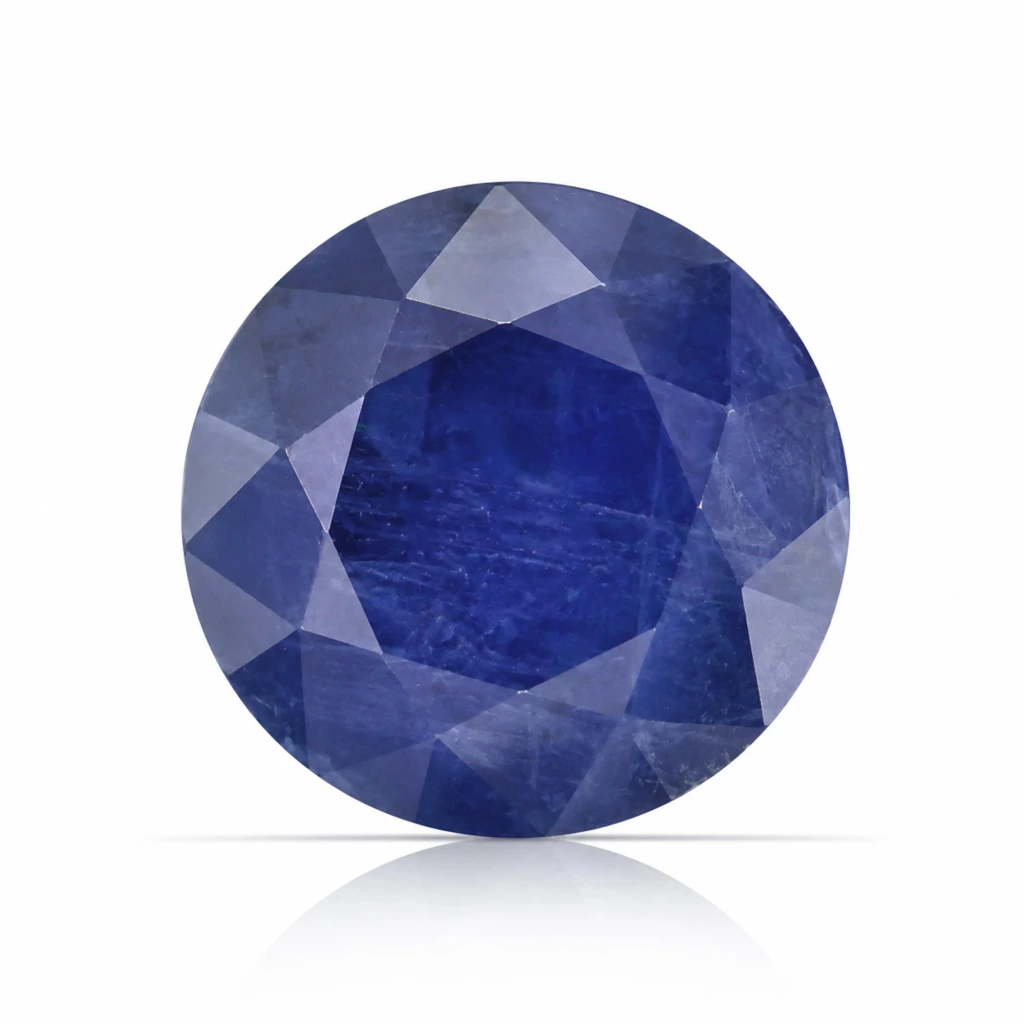
High-quality blue sapphire stones can be valuable, but their prices vary significantly. Buyers should check whether a stone is natural or laboratory-grown and whether any treatments have been disclosed.
The emerald gemstone is the green variety of the mineral beryl. Its colour ranges from lighter green to rich, vivid green, making it a popular choice for classic and contemporary jewellery.
Natural emerald stones often contain inclusions, which are internal features formed during their growth. Their visibility, together with colour and transparency, can influence the stone's value.
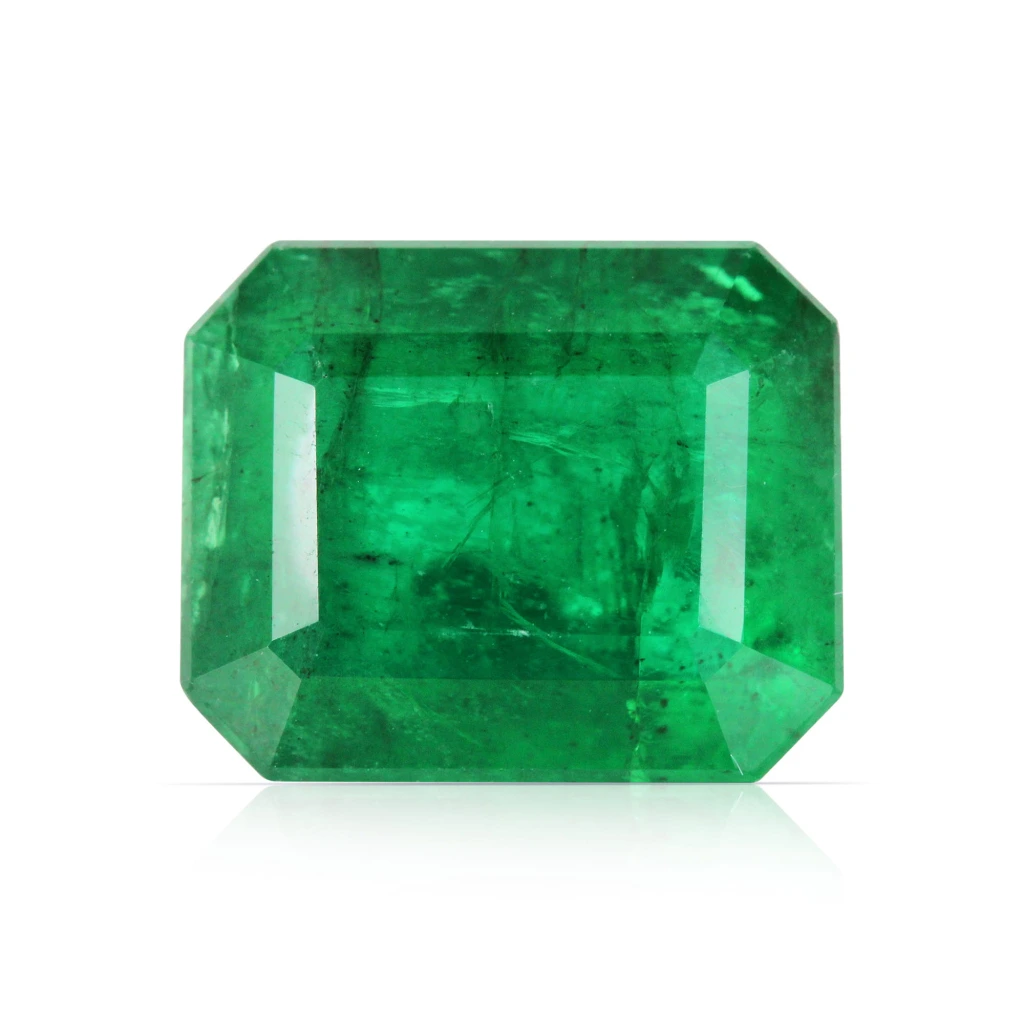
Fine emeralds can be expensive, especially when they combine attractive colour and desirable quality. Because emeralds are often treated, buyers should ask about treatment disclosure and appropriate care.
Yellow sapphire gemstone is a yellow variety of corundum. Its colour can range from pale yellow to saturated golden yellow, making it a recognised option in fine jewellery and traditional Indian gemstone markets.
Yellow sapphire is commonly called Pukhraj in India.
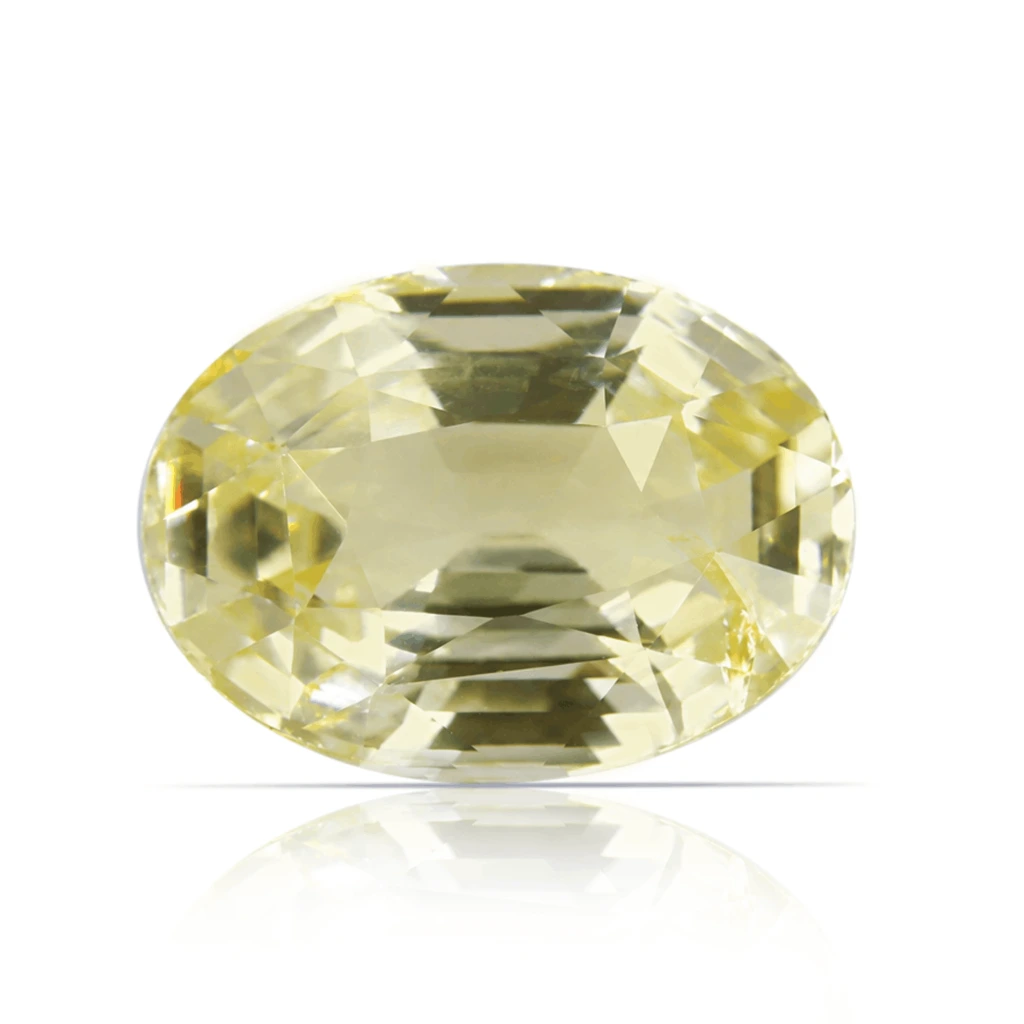
The price of a yellow sapphire stone depends on the individual stone rather than its name alone. Compare colour, clarity, treatment status, and documentation before evaluating its value.
Red Coral differs from the other gemstones in this list because it is an organic gemstone material formed by marine organisms rather than a mineral crystal. It is known for its red to orange-red appearance and is commonly used in traditional jewellery.
Red Coral stone is called Moonga in Indian gemstone terminology.
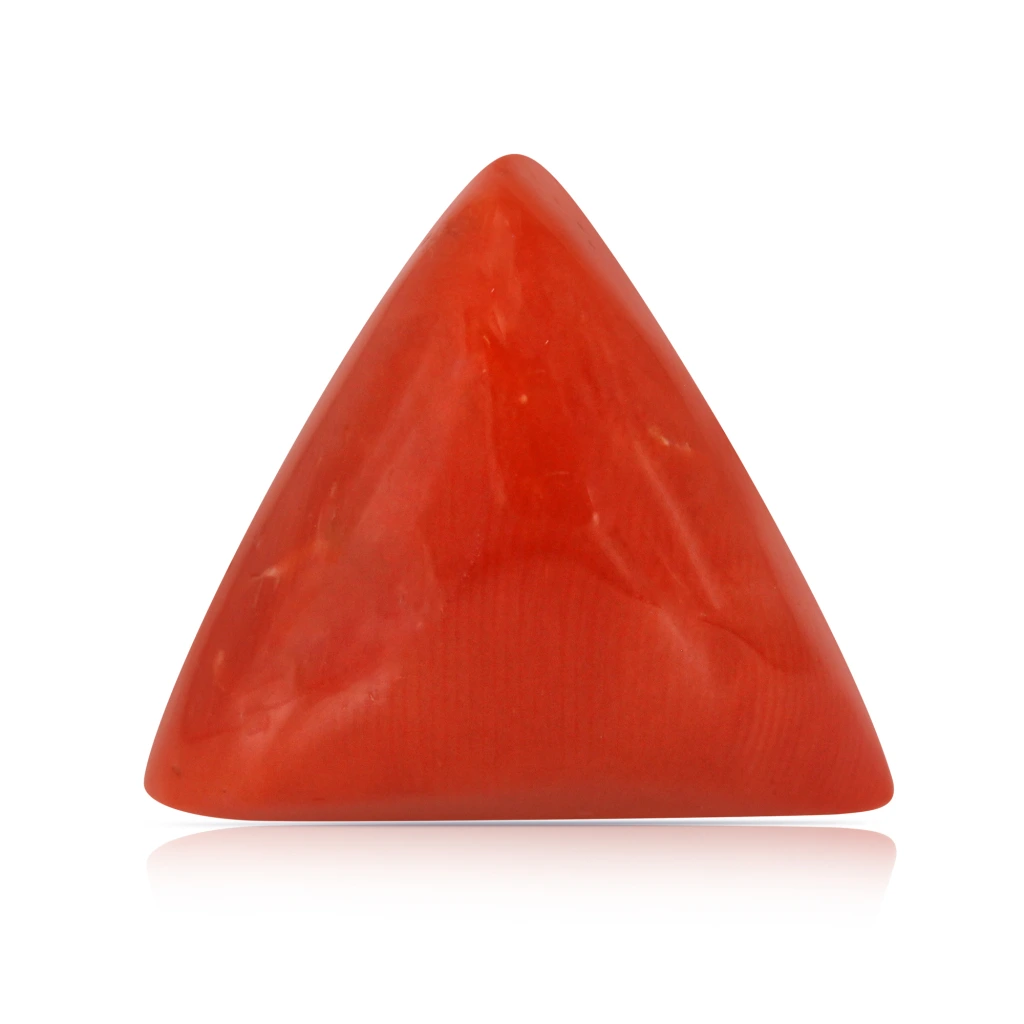
Red Coral stone prices vary according to the quality and characteristics of the material. Buyers should verify authenticity and ensure the product has been sourced and traded in accordance with applicable regulations.
Australian Opal Gemstone is valued for its distinctive appearance and, in suitable varieties, its colourful flashes known as play-of-colour. Depending on the type, opal may show blue, green, orange, red, or multiple colours.
Its appearance can be very different from that of transparent gemstones such as sapphire and amethyst.
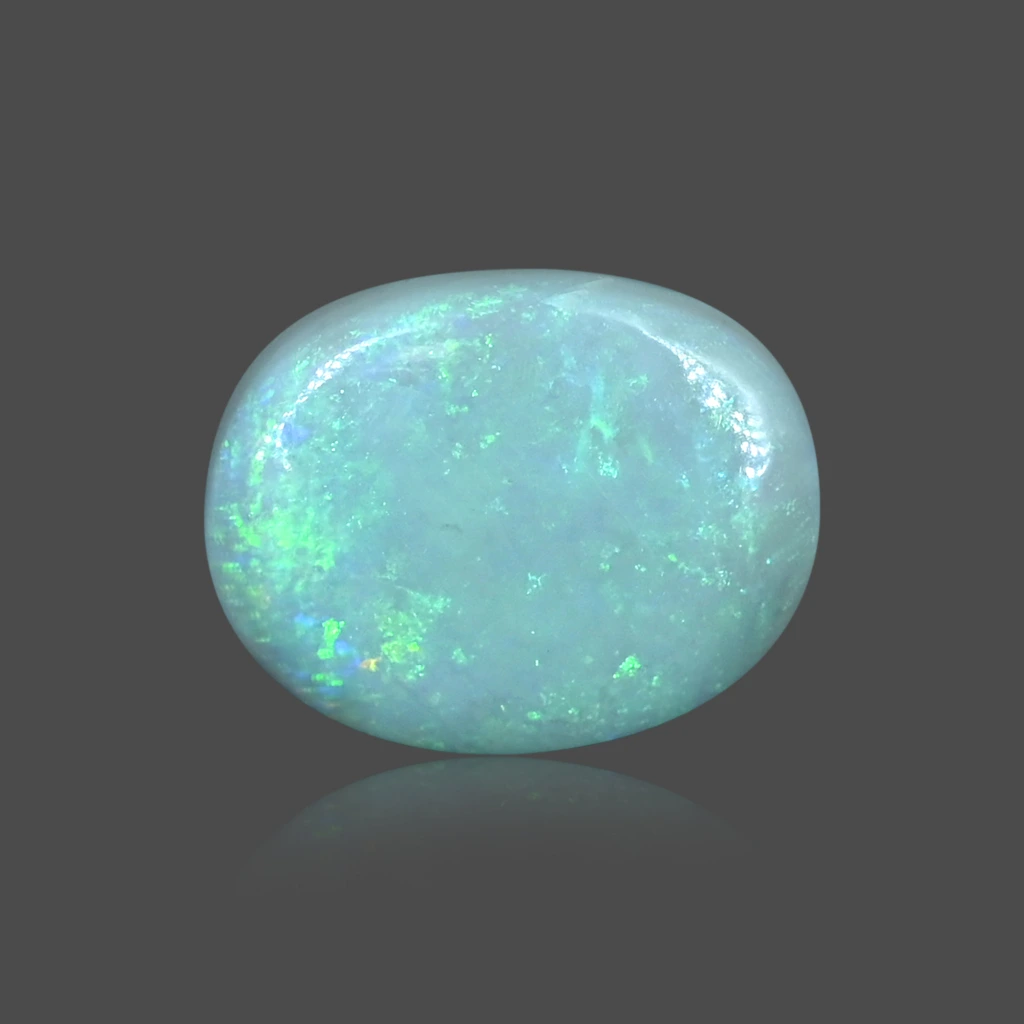
Opal prices vary substantially. High-quality precious opals can be more expensive than many stones traditionally classified as precious, while other opal varieties may be more affordable.
Ametrine is a variety of quartz that displays both purple and yellow to orange colour zones in the same gemstone. Its two-colour appearance makes it distinctive among quartz gemstones.
Ametrine gemstone is used in jewellery designs that highlight contrasting colours in a single stone.
The visual balance between its purple and yellow zones can influence its appeal. As with other gemstones, compare individual stones rather than assuming that every ametrine has the same value.
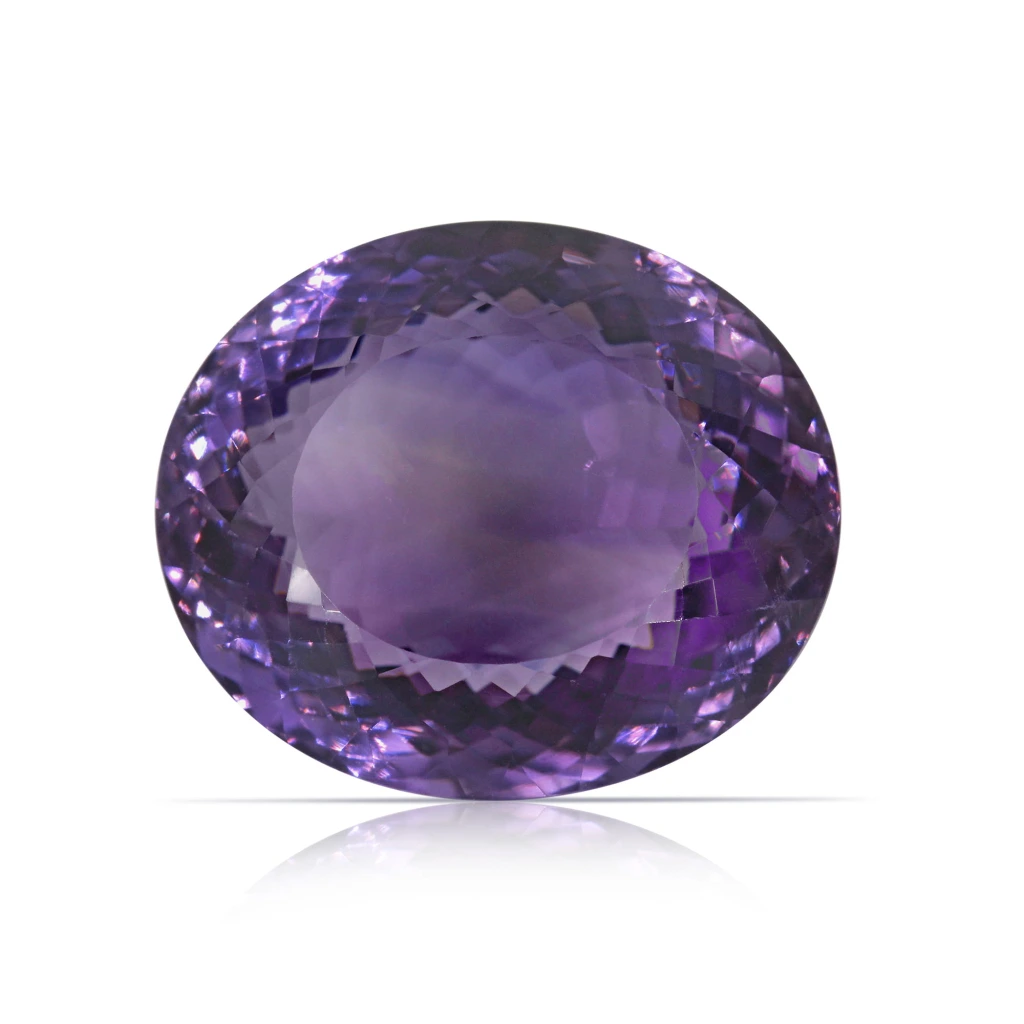
Amethyst is a purple variety of quartz. It is popular for its shades of lilac, violet, and deep purple, and it is used in a wide range of jewellery styles.
Amethyst gemstone is often available at accessible price points compared with many high-quality precious gemstones, although size, colour, quality, and rarity can influence its value.
When selecting amethyst, look for an attractive and reasonably consistent colour, a suitable cut, and clear product information.
Turquoise is an opaque gemstone known for its blue to greenish-blue colour. Irani Turquoise stone is a trade description associated with turquoise from Iran, although the geographic origin of a particular stone should not be assumed without appropriate evidence.
Turquoise is popular in traditional jewellery, beads, pendants, and statement pieces. Its natural patterns may include darker matrix markings.
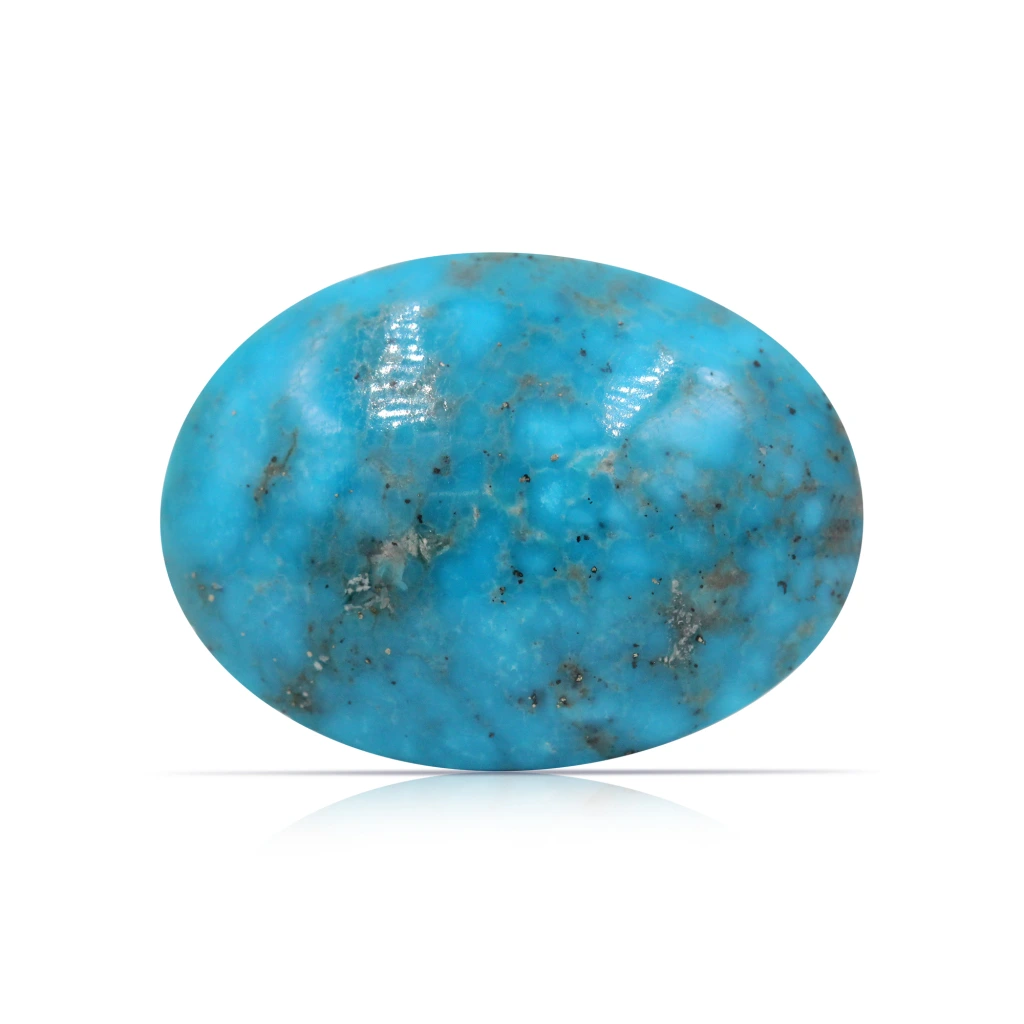
Buyers should ask whether turquoise has been stabilised, dyed, or otherwise treated. These details can affect its appearance, care requirements, and market value.
Citrine stone is a yellow to orange variety of quartz. Its warm colour works well in both modern and traditional jewellery, including rings, pendants, earrings, and bracelets.
Citrine is often a comparatively affordable option, but its value still depends on the stone's characteristics and how it has been processed or treated.
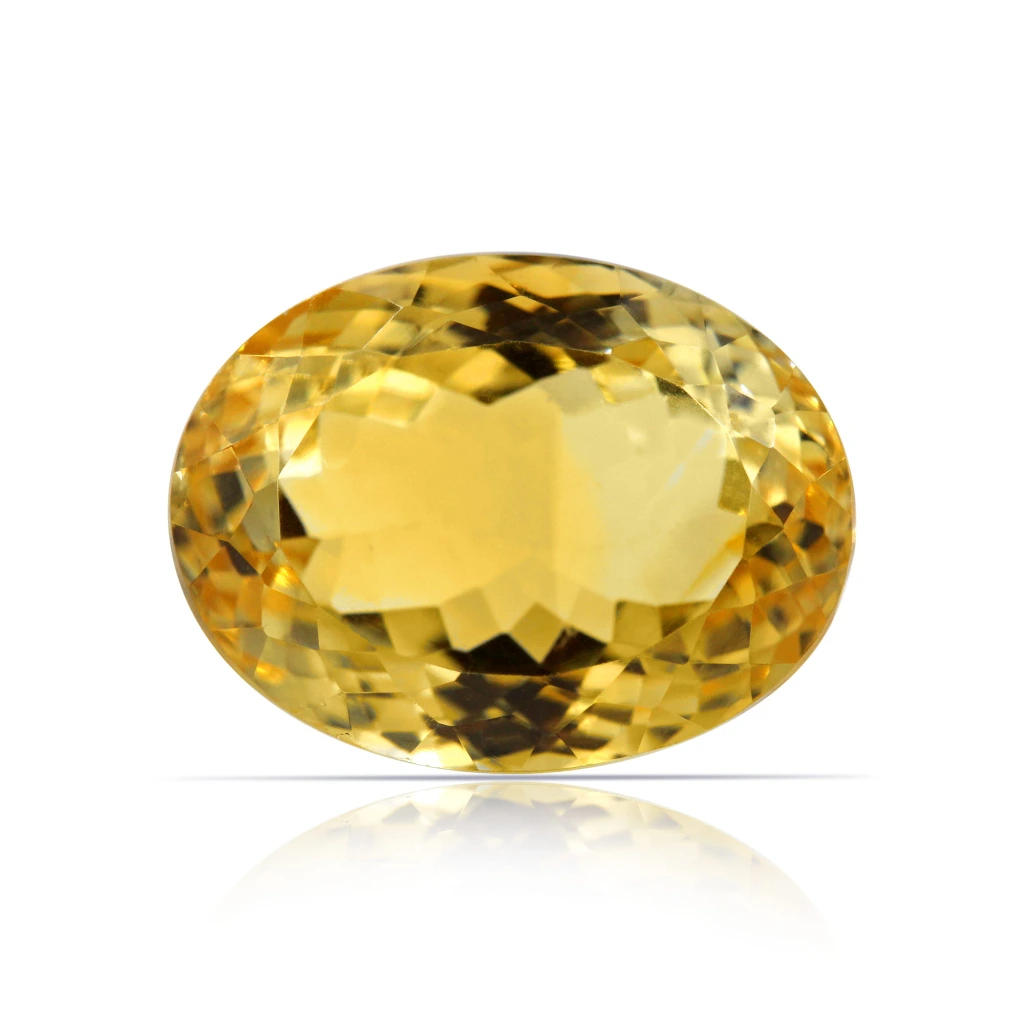
When buying citrine, check the product description and ask about known treatments. Clear product information helps you compare similar stones more accurately.
The following table summarises the ten gemstones covered in this guide. This precious stones and semi-precious stones list provides a practical introduction to the selected collection.
|
|
|
|
|
|
|
|
|
|
|
|
|
|
|
|
|
|
|
|
|
|
|
|
|
|
|
|
|
|
|
|
|
|
|
|
|
|
|
|
|
|
|
|
There is no universal price order for these ten gemstones. A rare, high-quality opal may cost more than a lower-quality ruby, while a fine ruby or blue sapphire may be substantially more expensive than an ordinary quartz gemstone.
An accurate price ranking requires actual product prices or comparable per-carat prices for gemstones of similar quality. A gemstone's traditional classification alone cannot establish which stone is most expensive.
Before comparing gemstone prices, consider the following factors.
Colour is one of the most important visual characteristics of many gemstones. Hue, saturation, and colour distribution can influence value, although the ideal colour differs between gemstone varieties.
Some gemstones are naturally included, while others are valued for a clearer appearance. The effect of inclusions depends on the gemstone type, their visibility, and their impact on appearance or durability.
A well-executed cut can improve a gemstone's appearance and how it reflects light. The suitability of the cut also depends on the stone's natural characteristics.
Carat measures gemstone weight, not its physical dimensions. Larger stones can command higher prices, but the relationship is not linear: quality and rarity may matter more than size alone.
Some gemstones are treated to improve their colour, clarity, or stability. Buyers should understand which treatments are known or disclosed because they can influence price, durability, and care.
A verified origin may influence the value of certain gemstone varieties. A gemological report may help establish identity and disclose detectable treatments. However, not every gemstone requires the same type of report, and certification does not guarantee a particular market price.
Choosing a gemstone starts with understanding what you want from it. If your priority is jewellery, consider colour, design, durability, and care requirements. If you are collecting gemstones, you may also want to compare rarity, documentation, and the specific characteristics of each stone.
For gemstones purchased for astrological or traditional purposes, distinguish cultural beliefs from scientifically established gemstone properties. No gemstone can guarantee wealth, health, business success, or other personal outcomes.
Precious and semi-precious gemstones offer a wide range of colours, materials, and jewellery possibilities. Ruby, Blue Sapphire, Emerald, Yellow Sapphire, Red Coral, Opal precious stone, Ametrine, Amethyst, Irani Turquoise, and Citrine each have distinct characteristics that influence their appearance and value.
When comparing types of precious gemstones and types of semi-precious gemstones, avoid relying only on traditional classifications or a fixed expensive-to-cheap ranking. Instead, consider quality, rarity, treatment status, and documentation.
Explore our exclusive collection at Rahul Goyal Official and buy natural gemstones online with confidence, comparing each stone’s unique characteristics and product details before making your choice.
Ans. There is no single answer without comparing specific stones of similar quality. Fine ruby, blue sapphire, emerald, and exceptional precious opal can all command high prices. Actual prices depend on colour, clarity, size, treatments, rarity, and documentation.
Ans. The distinction is based on traditional jewellery trade terminology. Diamond, ruby, sapphire, and emerald are commonly classified as precious, while many other gemstones are called semi-precious. This classification does not automatically determine quality or value.
Ans. Not always. Some rare, high-quality semi-precious gemstones can be more valuable than lower-quality stones in the traditional precious category. The individual gemstone's characteristics and market demand matter more than the label alone.
Ans. Visual inspection alone cannot reliably establish the identity or treatment status of every gemstone. Review the seller's description and, where appropriate, obtain a report from a reputable gemological laboratory.
Ans. No. A gemological report may help confirm identity and disclose certain characteristics, but it does not automatically guarantee a resale price or investment return. Market demand and the gemstone's quality also influence value.
Ans. Check the gemstone's identity, whether it is natural or laboratory-grown, known treatments, dimensions, carat weight, photographs, available documentation, shipping details, and return policy.

Need guidance or a personal consultation? Share your query with our team and we will get back to you with the right advice and support.
Contact Us
Quick Answer: The nine gemstones associated with Navratna in Vedic astrology...
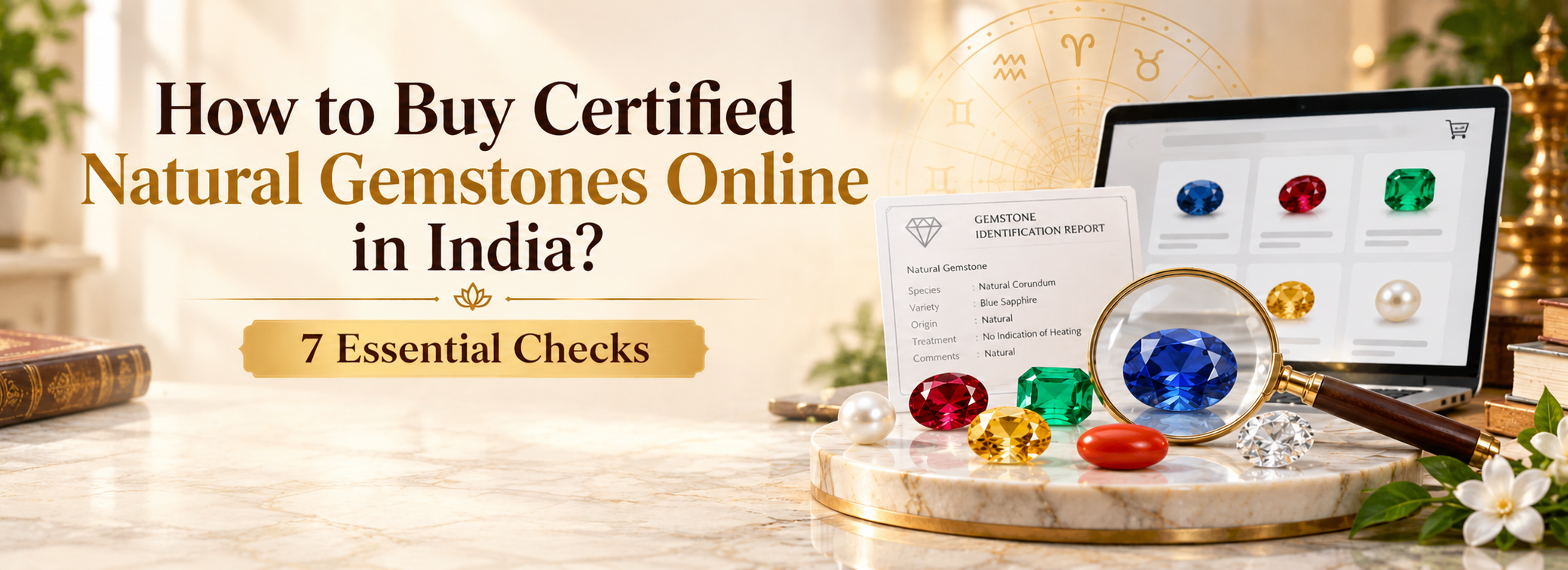
Quick Answer Buying a Certified Natural Gemstone online in India requires mor...
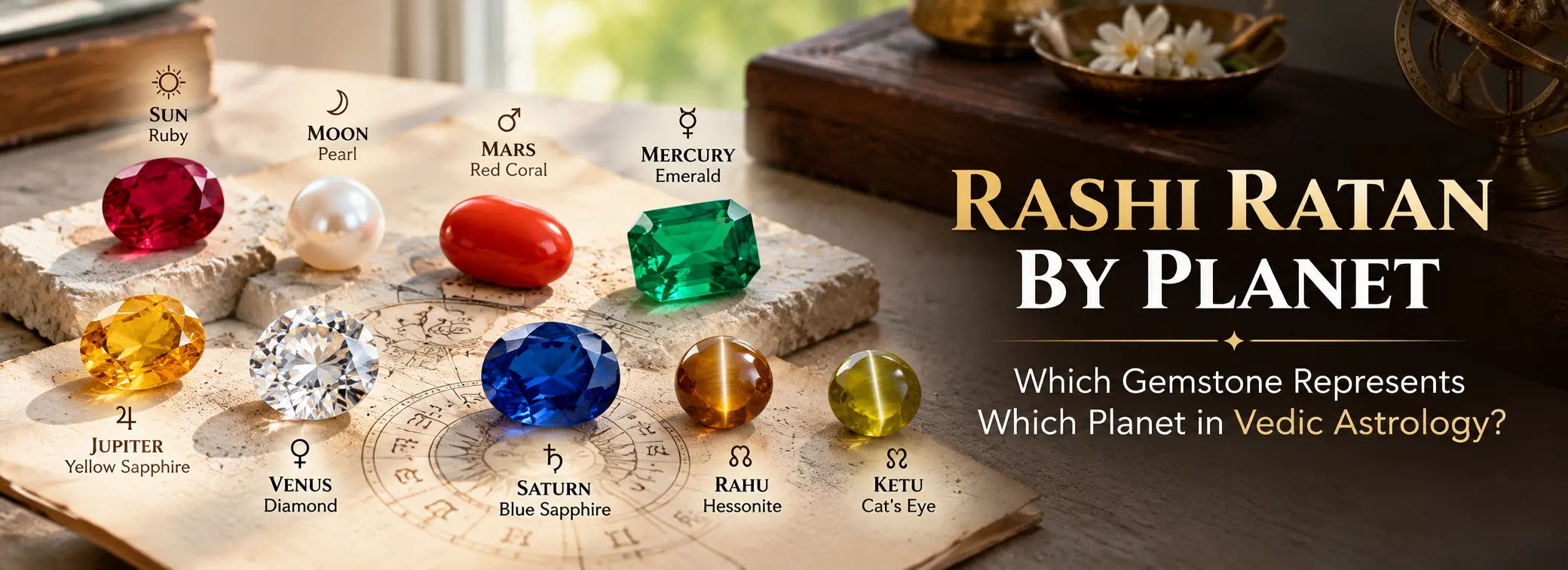
The traditional Rashi Ratan by planet, or Navagraha gemstones, list connects the...
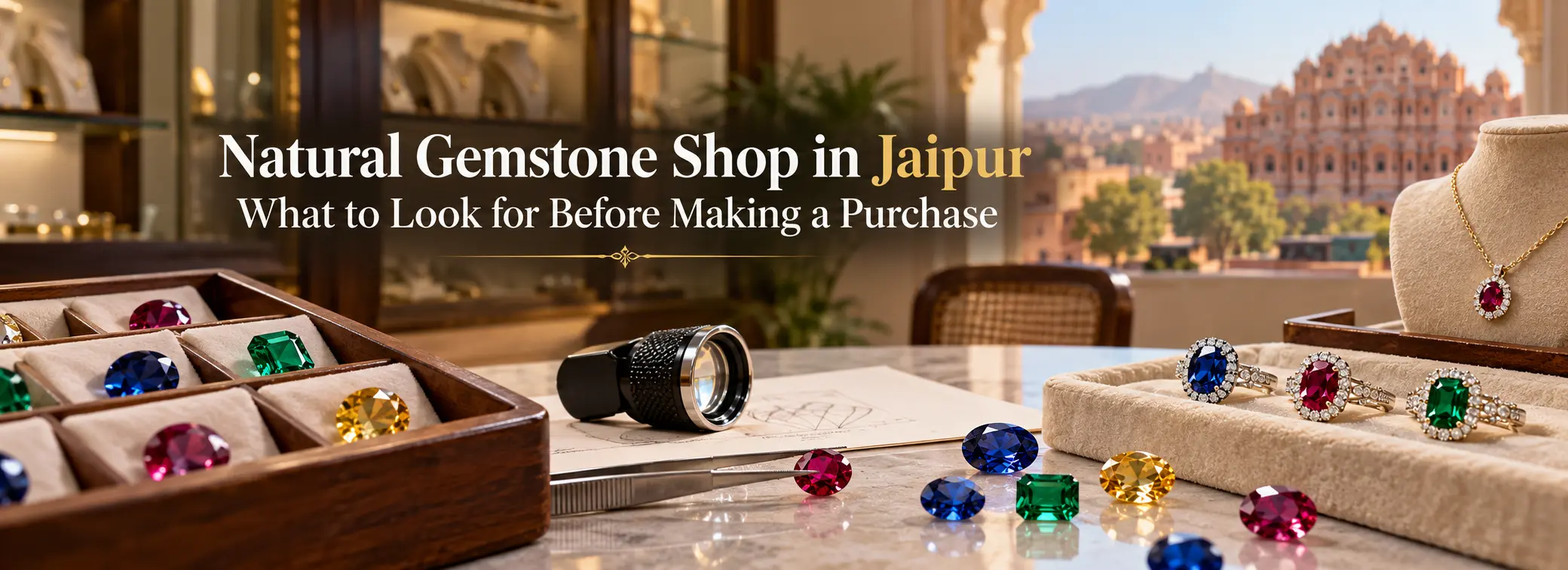
Buying a gemstone in Jaipur can be confusing, especially when similar looking st...
Discover our handcrafted silver treasures and add something beautiful.
Explore Collections