How to Choose a Trusted Gemstone Manufacturer in Jaipur Complete Buyer’s Guide
Jaipur has its own reputation for gemstone cutting, polishing, trading and jewel...
By admin
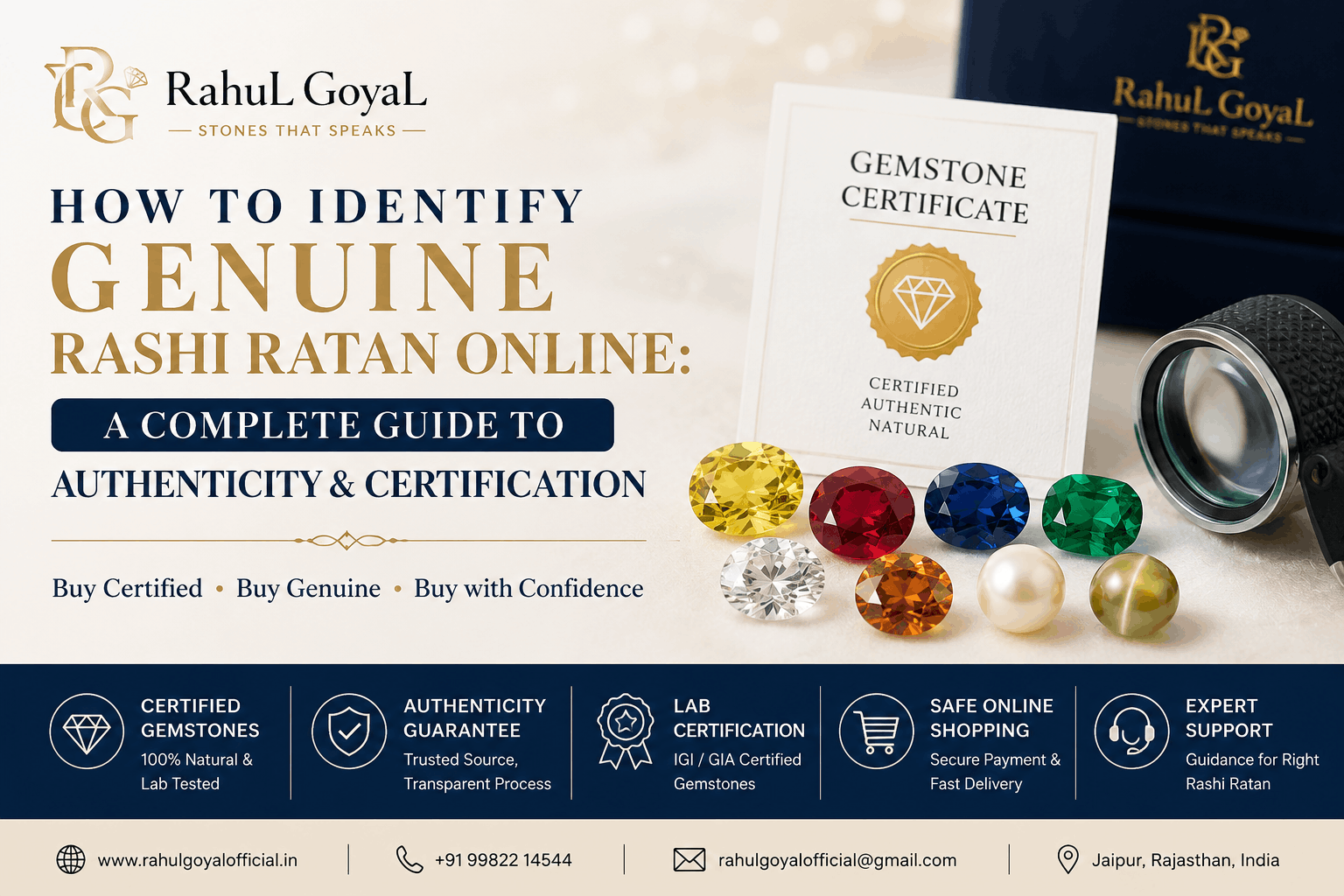
Buying a Rashi Ratan online gives you plenty of choice, but there is one obvious problem: you cannot hold the stone in your hand before paying for it.
A photograph may show you the colour, shape and general appearance. It cannot tell you everything about whether the gemstone is natural, laboratory-created, treated or an imitation. Words such as "original", "natural" and "certified" aren't enough on their own either.
So, how can you identify a genuine Rashi Ratan online?
Start with details you can actually check. Look at the gemstone identification, natural or laboratory-created status, treatment disclosure, carat weight, measurements and available laboratory report. Check who issued the report and whether its details correspond with the stone being sold. The seller's business information and return policy matter too.
Here's what to look for before you place an order.
"Genuine" is one of those words you will see everywhere while shopping for gemstones online. It sounds reassuring, but you still need to know exactly what the seller means by it.
Is the stone natural? Is it laboratory-created? Has it undergone treatment? Is it an imitation made from another material?
These aren't different ways of saying the same thing.
There is another distinction if you're buying a Rashi Ratan for traditional astrological use. Gemstone authenticity and astrological suitability are separate questions.
A laboratory report can provide information about the gemstone. Whether that particular gemstone is traditionally considered suitable for your Rashi or Kundli is an astrological question, not something a gemmological report decides.
There isn't a single photograph or home test that answers every question about a gemstone. When buying online, it makes more sense to check several details together.
Don't stop at a title such as "100% Original Certified Yellow Sapphire".
Open the product page and see what information is actually there.
For a valuable gemstone, look for:
If the description leaves an important question unanswered, ask the seller before buying.
These terms are often mixed, particularly in online listings. They describe different things.
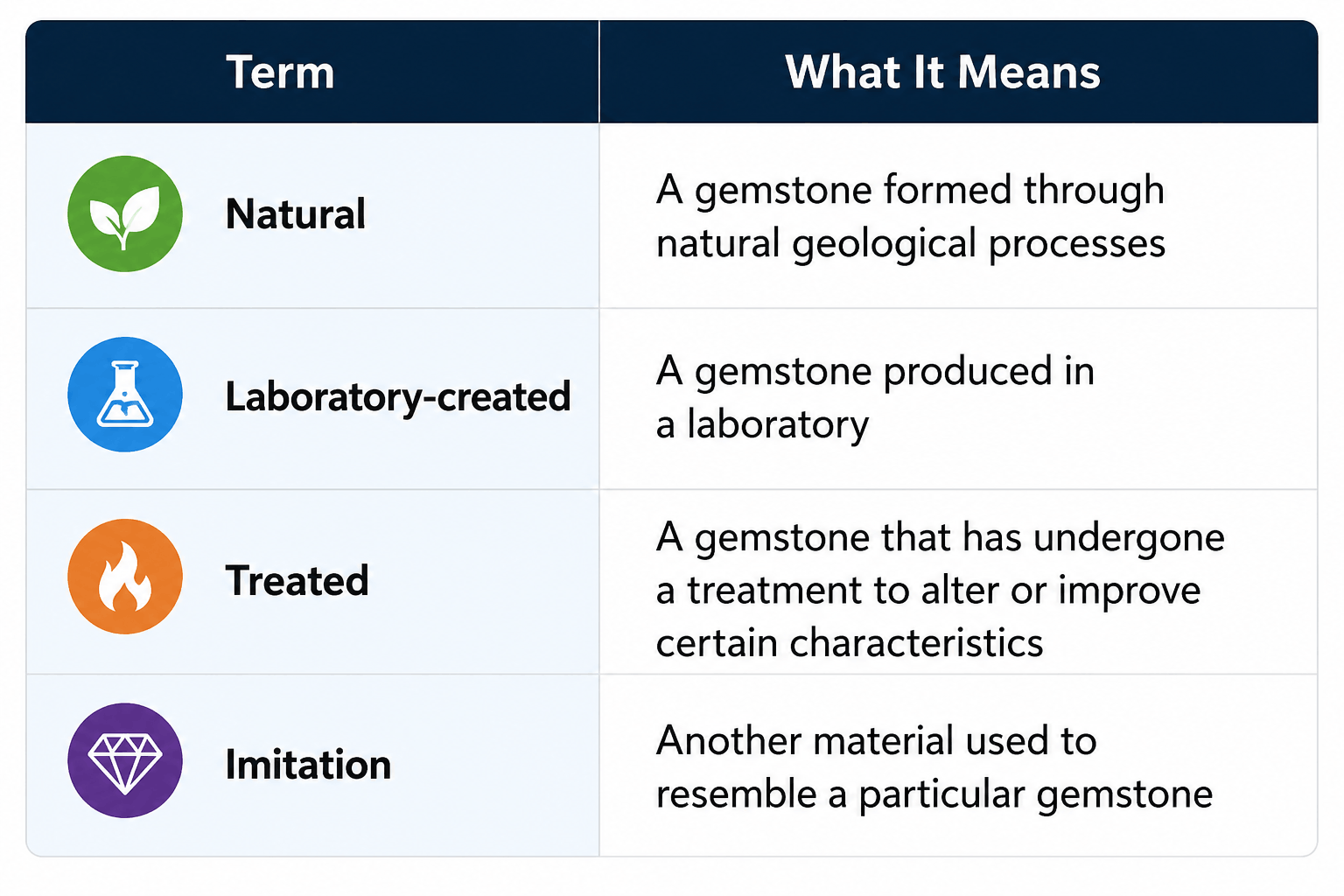 One point is worth remembering: natural doesn't automatically mean untreated.
A gemstone may have formed naturally and later undergone treatment. That doesn't turn it into a laboratory-created stone or an imitation. It does mean treatment information can be important when you're deciding what to buy.
Not reliably.
Photos are useful when you want to look at colour, shape, cut and visible inclusions. Videos can give you another view of the stone. But neither should be treated as proof of authenticity.
Lighting can make a gemstone appear brighter or darker. Camera settings, editing and even your phone or computer screen can change how the colour looks.
More importantly, a photograph can't answer every question about whether a stone is natural, laboratory-created or treated.
Use the photographs to judge appearance. Use product information and appropriate gemmological testing to understand what the gemstone actually is.
Carat weight is one of the basic details worth checking before you buy.
Measurements are useful too.
Two gemstones can have the same carat weight but look different in size because of their shape, cut and proportions.
If a laboratory report comes with the gemstone, compare its weight and measurements with the specifications shown on the product page.
Do the numbers correspond?
When your order arrives, check the documentation again before getting the stone mounted or altered.
A gemstone laboratory report records findings about the stone examined by the issuing laboratory.
What appears on the report depends on the laboratory, gemstone and type of examination. You may find information such as:
This is why Rashi Ratan certification shouldn't be judged from a "certified" badge alone.
Read the report that accompanies the stone.
A laboratory report can provide useful information about a gemstone, but it isn't automatically a guarantee of price, quality, investment value or astrological suitability.
Having a report is useful only if you actually look at it.
Start with a few straightforward checks.
Who issued the report?
A listing that simply says "lab certified" without identifying the laboratory gives you very little to verify.
Look for the report or identification number on the document.
If the issuing laboratory offers an official online verification service, use it to check the report number independently.
Check whether the information corresponds with the gemstone advertised on the website.
Pay attention to:
If the product page and report show different important details, ask the seller about the difference before paying.
Once the gemstone reaches you, compare the report with your order again.
Do this before having the stone set in a ring, pendant or other jewellery. If something doesn't appear to match, contact the seller first.
A real gemstone and its accompanying laboratory report are much easier to understand when viewed together.
For example, if you're looking at a Natural Yellow Sapphire, compare the stone's product listing with the actual report supplied for that specific gemstone.
When reading the report, check these fields:
The carat weight and measurements on the product listing should correspond with the details stated on the accompanying laboratory report.
Use the actual information visible on your certificate when adding the example. Don't change or interpret the laboratory's wording.
Not automatically.
A "certified" label tells you very little unless you know what the accompanying report actually says.
Instead of asking only whether a gemstone has a certificate, ask:
How has the laboratory identified the gemstone?
Then read the report.
If natural or laboratory-created status is included in that report, check exactly how it is stated. The same applies to treatment information where it has been tested and reported.
Yes. Natural and untreated aren't interchangeable terms.
A gemstone can form naturally and later undergo treatment.
That is why treatment disclosure matters when you're comparing stones. Two Rubies or Yellow Sapphires may look fairly similar in online photographs but differ in treatment, colour, clarity and other characteristics.
If treatment isn't mentioned in the listing, ask the seller. Where a laboratory report is available, check the relevant information there as well.
No. Origin and authenticity are different things.
You may see gemstones advertised using the names of countries or regions associated with particular stones. That information may be relevant in some cases, but a place name by itself doesn't prove that a gemstone is natural, untreated or high quality.
Don't buy a stone solely because an attractive origin appears in the product title.
Check the gemstone specifications and available documentation as well.
When buying from Rahul Goyal Official, the information provided with an individual gemstone should help you understand the stone before placing an order.
Details worth checking on each listing include the gemstone's weight and measurements, how it is described, available treatment information and any laboratory documentation supplied with that particular stone.
Where a laboratory report accompanies a gemstone, the stone and report should be considered together rather than treating the word "certified" as enough on its own.
Before completing an order, customers should also review the shipping, return and other purchase conditions applicable to that gemstone.
Editor's note before publishing: Add any additional sourcing, inspection, certification or dispatch checks here only if they are part of Rahul Goyal Official's actual process. Do not add processes simply for SEO.
Don't check only the stone. Spend a few minutes checking who is selling it.
Look for:
You should be able to ask reasonable questions about an expensive gemstone before paying for it.
If essential information is missing while the website is pushing you to make an immediate purchase, there is nothing wrong with waiting until your questions have been answered.
Claims such as "original" and "genuine" aren't substitutes for specifications. Check the stone's weight, measurements, treatment information and available report.
If the issuing laboratory isn't identified, there isn't much for you to check independently.
Compare the gemstone type, weight and measurements. Ask about important differences before paying.
Don't assume "natural" means "untreated". If treatment information matters to your purchase and isn't shown, ask.
Be cautious with promises of guaranteed wealth, marriage, health improvement or career success after wearing a gemstone. Traditional astrological beliefs about Rashi Ratans shouldn't be turned into guaranteed outcomes.
Know your return options before buying an expensive gemstone online, not after it arrives.
Before placing an order, check:
These checks are more useful than judging authenticity from a photograph or a "certified gemstone" badge.
This distinction is easy to miss when buying a gemstone for astrological reasons.
Authenticity concerns the gemstone itself. It deals with questions such as what the stone is, whether it is natural or laboratory-created, whether treatment has been disclosed and what its reported characteristics are.
Astrological suitability is a different question. It concerns whether a particular gemstone is traditionally considered appropriate for an individual's horoscope.
In traditional Vedic astrology, a Rashi chart can provide general gemstone associations. A personalised interpretation may also consider Janma Rashi, Lagna, planetary positions and the complete Kundli.
A laboratory report doesn't make an astrological recommendation. In the same way, an astrological recommendation isn't proof that the gemstone being sold is natural.
If you're trying to identify a genuine Rashi Ratan online, don't depend on one photograph, one claim or the word "certified".
Read the product information first. Check whether the stone is described as natural or laboratory-created, look at its carat weight and measurements, and find out what has been disclosed about treatment.
For a valuable gemstone, read the available laboratory report. Check who issued it, compare its details with the product listing and, where possible, independently verify the report number through the issuing laboratory.
The seller matters as well. Business information, clear product details and understandable return conditions give you more to work with before you make a payment.
Most importantly, keep authenticity and astrology separate. A laboratory report can provide information about the gemstone. Whether that Rashi Ratan is traditionally considered suitable for your Kundli is another question.
Don't judge it from the photograph alone. Start with the gemstone description, weight, measurements, natural or laboratory-created status and treatment information. If a laboratory report is available, compare its details with the stone being sold and check the report number where independent verification is available.
Not with certainty. A photo can help you look at colour, shape and visible characteristics, but lighting and screen settings can change what you see. It also can't answer every question about whether a stone is natural or treated.
Look at who issued the report, its report number, gemstone identification, weight and measurements. These details should correspond with the stone being sold. If the laboratory has an official verification facility, you can also check the report number there.
Not necessarily. "Certified" by itself doesn't tell you that. Read the actual report to see how the laboratory has identified the gemstone.
Yes. A gemstone can be natural and still have undergone treatment. This is why "natural" and "untreated" shouldn't be used as if they mean the same thing.
Check what the gemstone is, whether it is natural or laboratory-created, treatment information, carat weight, measurements, available laboratory documentation, seller details and the return policy.
No. The report deals with the gemstone and its reported characteristics. Whether a stone is traditionally considered suitable for your Rashi or Kundli is a separate astrological question.
No. A higher price isn't proof of authenticity. Price can vary with weight, colour, clarity, treatment and other characteristics. Check the gemstone and its documentation rather than using price alone as your test.
We Satisfied more than 700 Customers
Jaipur has its own reputation for gemstone cutting, polishing, trading and jewel...
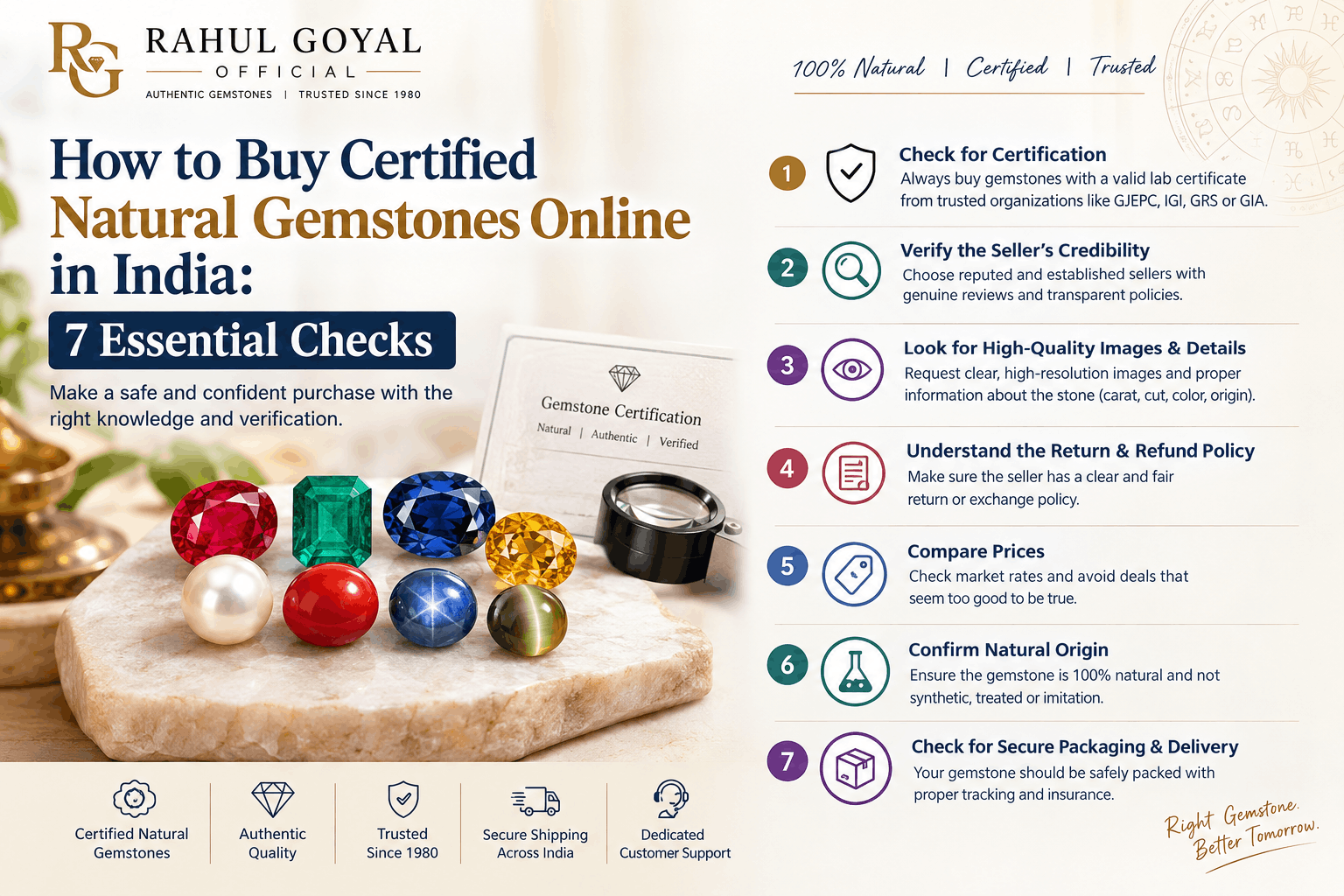
Quick Answer Buying a Certified Natural Gemstone online in India requires mor...
Rahul Goyal leads Rahul Goyal Official, a Jaipur-based astrology and gemstone co...
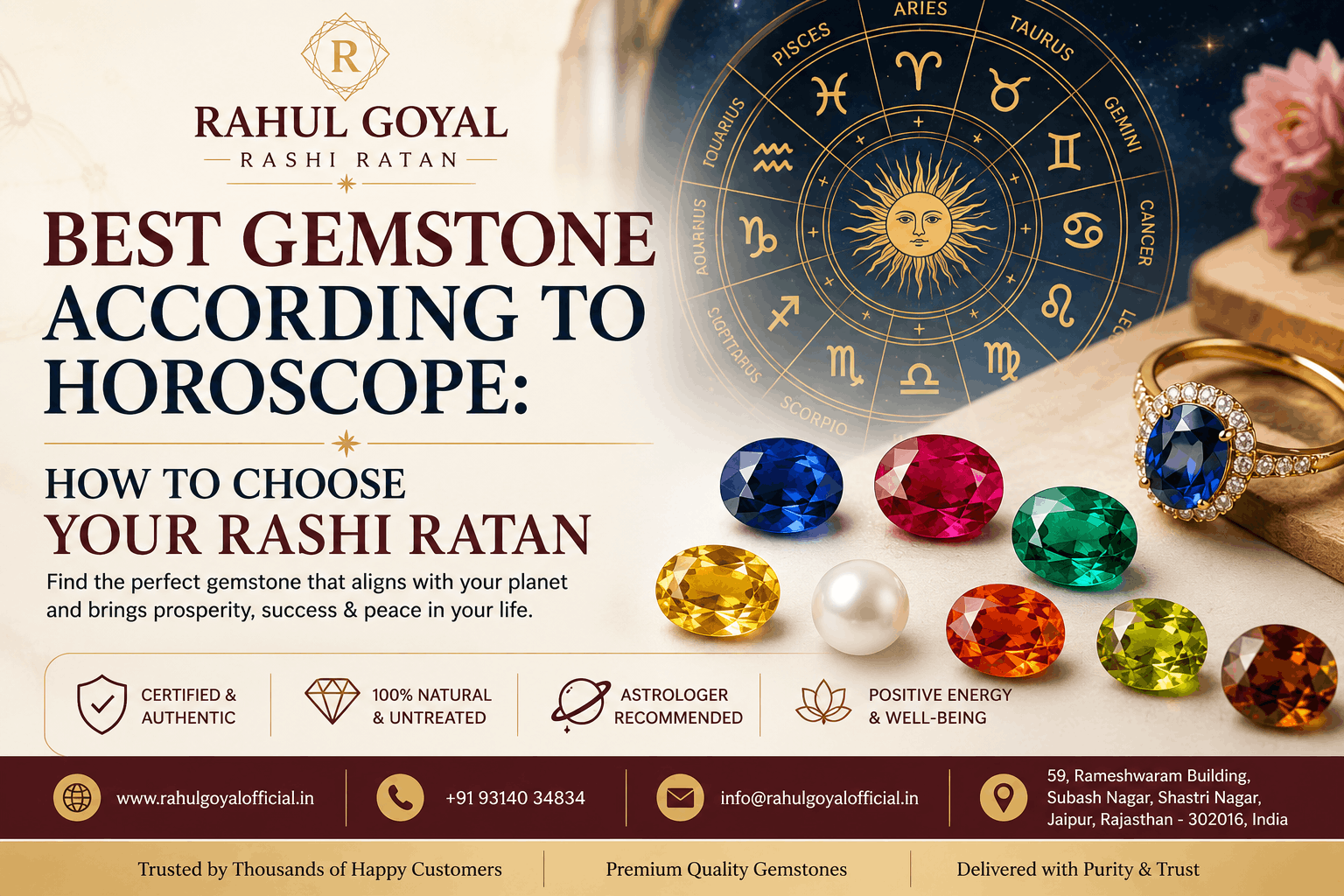
If you are trying to find the best gemstone according to horoscopes, a Rashi cha...
Buying a Rashi Ratan online gives you plenty of choice, but there is one obvious...
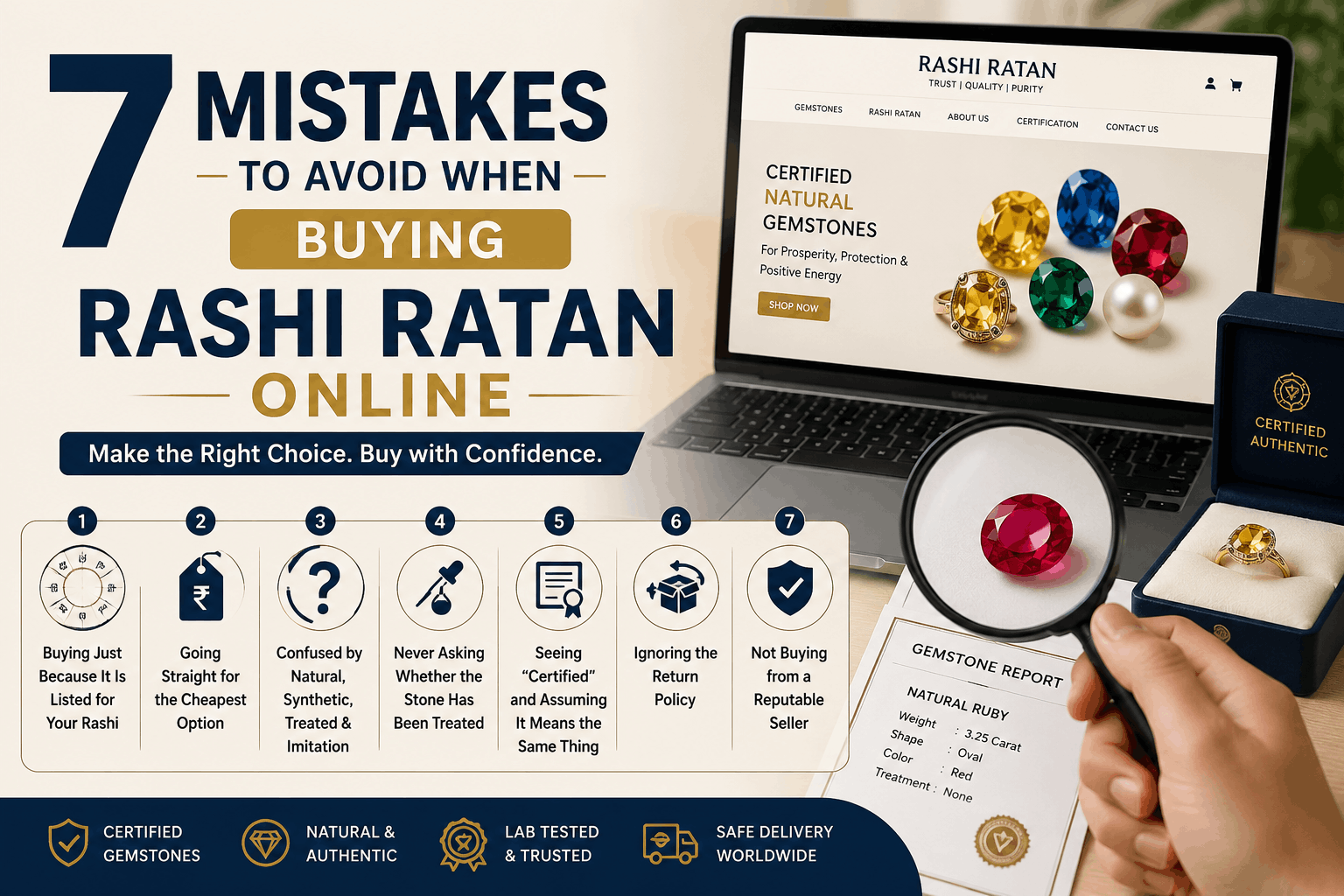
Shopping for a Rashi Ratan online can get confusing pretty quickly. Search for o...
The process of selecting the perfect gemstone involves more than just choosing a...
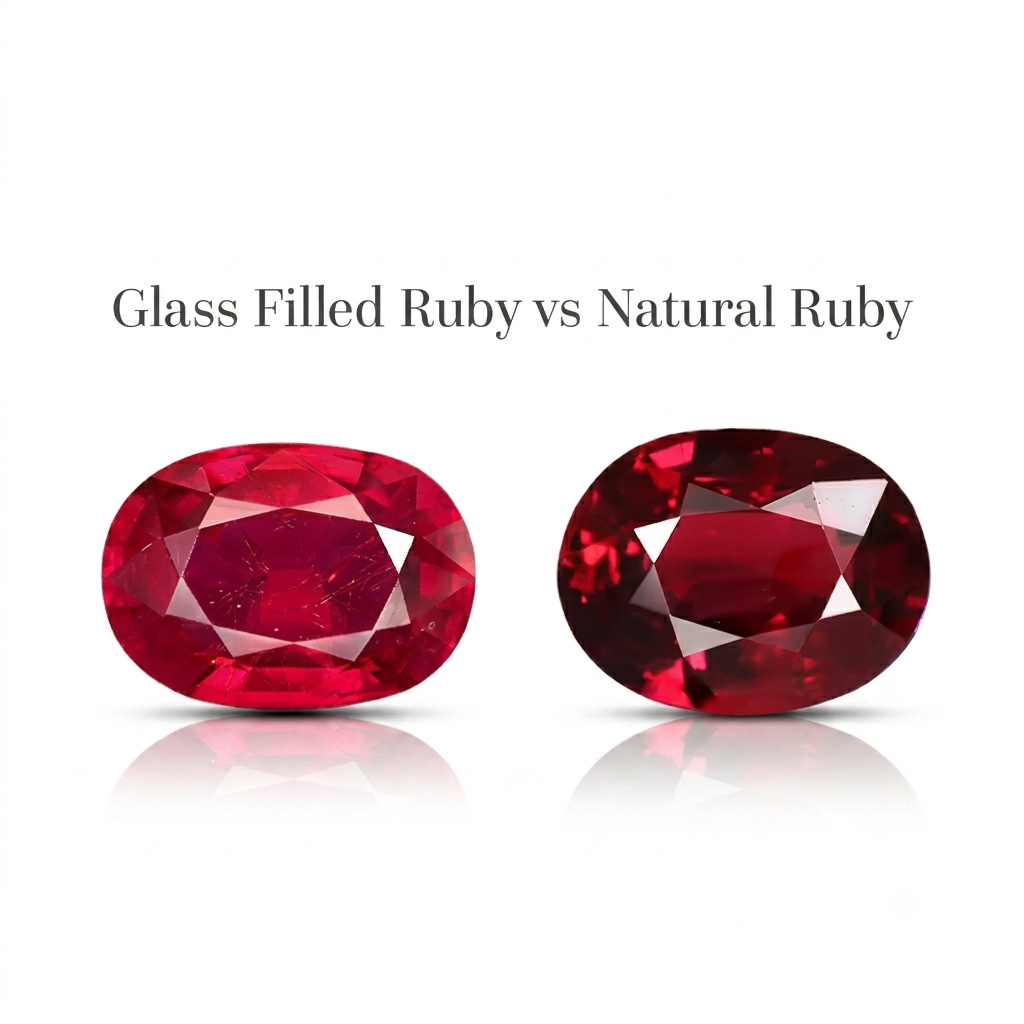
Ruby's one of the most sought after gemstones out there and in Vedic astrolo...
Discover our handcrafted silver treasures and add something beautiful.
Explore Collections