How to Choose a Trusted Gemstone Manufacturer in Jaipur Complete Buyer’s Guide
Jaipur has its own reputation for gemstone cutting, polishing, trading and jewel...
By admin
Shopping for a Rashi Ratan online can get confusing pretty quickly. Search for one gemstone and you may find dozens of sellers, a huge difference in prices and product descriptions that don't always make things clearer.
Before buying a Rashi Ratan online, check whether the gemstone is natural or synthetic, whether any treatment has been disclosed, its weight and quality, the available laboratory report, seller details and return policy.
Take Emerald as an example. Two stones may look quite similar on your screen, yet one can cost several times more than the other. There may be a genuine reason for that difference, such as treatment, weight, clarity or whether the stone is natural or laboratory-created.
Things become a little more complicated when you are buying the gemstone for astrological reasons. Finding a stone associated with your Rashi is easy. Deciding whether that particular stone is the right choice for you is a different matter.
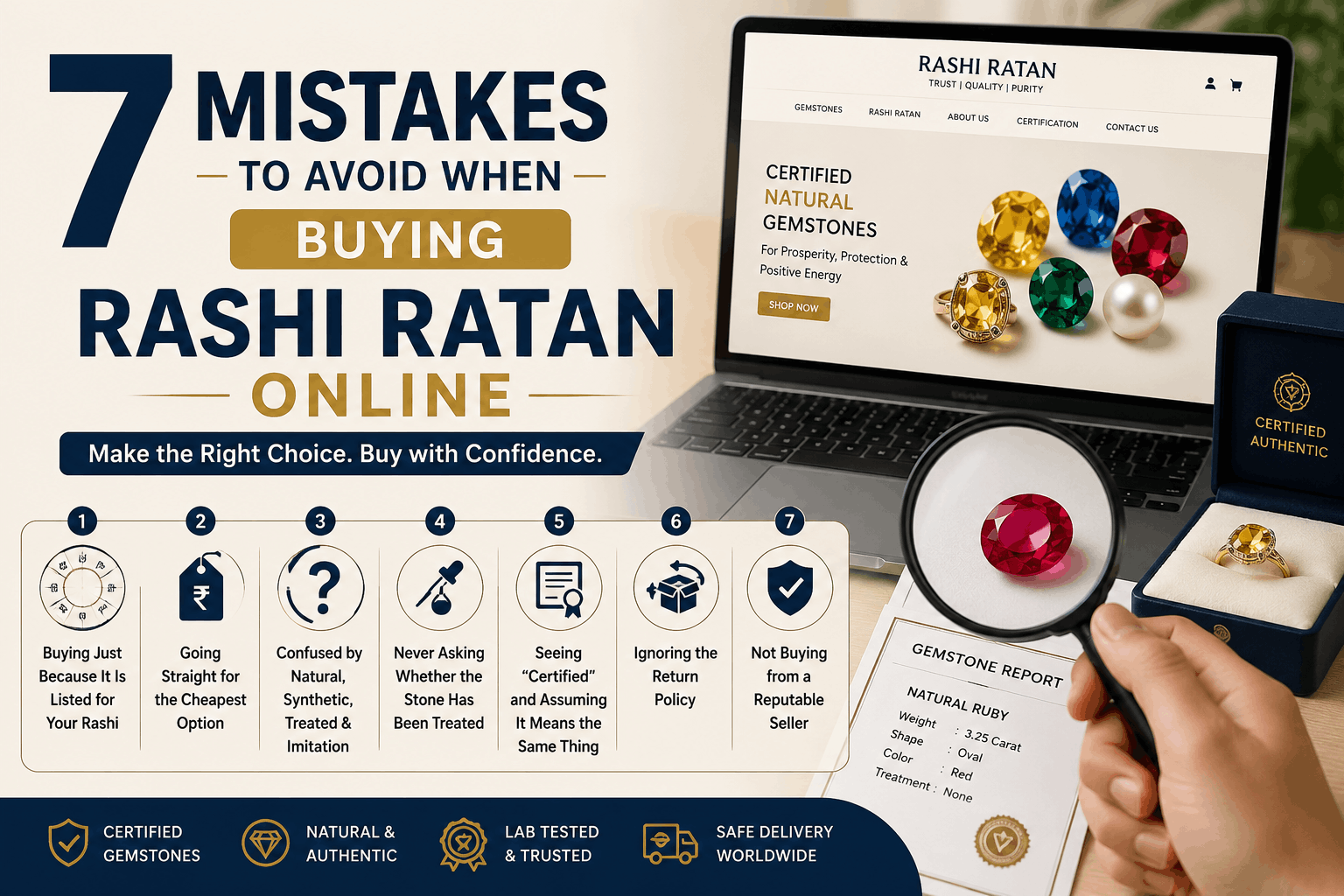
So, before you order a Rashi Ratan online, here are seven mistakes you should know about.
This happens quite often.
Someone searches "gemstone for my Rashi", finds a chart and orders the stone shown next to their zodiac sign.
Such charts are useful for understanding general associations in traditional Vedic astrology. But they don't tell the whole story.
Your Rashi is one part of your birth chart. Lagna, planetary positions, houses and other details can differ from one person to another. This means two people who share the same Rashi do not necessarily have identical Kundlis.
Think of a Rashi chart as a starting point.
If you simply love the appearance of a gemstone and want to wear it as jewellery, you may choose according to your taste and budget. If you are buying an expensive stone specifically because of its traditional astrological significance, it makes sense to understand the recommendation in the context of your Kundli.
That is a more sensible approach than choosing a costly gemstone from a Rashi chart alone.
Seeing the same gemstone at ₹5,000 on one website and ₹20,000 on another naturally raises a question: why pay more?
The answer isn't always obvious from the photograph.
Gemstones that look alike on a phone or laptop screen can be very different when you examine their actual details. Weight, colour, clarity, transparency and treatment can all affect the price. One stone may be natural and another laboratory-created.
So don't compare only the numbers on the price tag.
Open both product pages and compare the information provided for each stone. Check the carat weight and dimensions. Read what the seller says about treatment. See whether the stone is described as natural, synthetic or something else.
Certification may also matter when you are comparing valuable stones.
A lower price can be perfectly reasonable. It can also reflect a major difference between the two products. You won't know until you compare the details.
Here's where gemstone terminology can trip up a first-time buyer.
Natural, synthetic, treated and imitation do not describe the same thing.
A natural gemstone has formed naturally. A synthetic gemstone is produced in a laboratory. An imitation is another material that has been made to resemble the gemstone.
Then there is treatment.
A natural gemstone can undergo treatment, which means the words "natural" and "untreated" shouldn't automatically be treated as synonyms.
For example, a seller may genuinely be offering a natural gemstone while also disclosing that it has received a particular treatment.
The important part is knowing what you are paying for.
If a product description simply says "genuine gemstone" but gives no useful information beyond that, ask the seller for clarification.
For an expensive purchase, you can also ask whether a gemmological laboratory report is available.
Don't try to judge authenticity from a photograph alone. A beautiful picture can show you colour and appearance, but it cannot answer every question about the stone.
Some buyers see the word "treated" and immediately assume the gemstone must be fake. That's not necessarily the case.
Treatment is found in the gemstone market and may be used to change or improve certain characteristics of a stone. What buyers should pay attention to is disclosure.
Suppose you knowingly buy a treated gemstone at a price you are comfortable with. You understand what it is, the seller has been clear, and you make your decision accordingly.
Now imagine paying for a stone because you believe it is untreated and finding out later that this wasn't the case.
Those are two very different buying experiences.
When treatment information isn't clear on the product page, ask the seller directly. If a report accompanies an expensive gemstone, read the report instead of relying only on the description written on the website.
A simple question before payment can prevent a lot of confusion afterwards.
"Certified gemstone" sounds reassuring, but the word itself doesn't tell you very much.
Who issued the report? What does it say? Does the report actually belong to the gemstone you are buying?
These questions matter more.
Depending on the laboratory and type of report, you may find details about the gemstone's identity, weight, measurements and natural or laboratory-created status. Information about treatment may also be included.
If you're spending a substantial amount on a Ruby, Emerald, Blue Sapphire, Yellow Sapphire or another valuable stone, ask to see the available report before buying.
Read it.
When the gemstone reaches you, check the report details again.
There is another distinction worth keeping in mind. A laboratory report deals with the gemstone. It isn't a personal horoscope reading.
In other words, certification and astrological suitability are two separate questions. A report may help you understand what the stone is, but it doesn't decide whether that gemstone is the right Rashi Ratan for your Kundli.
Gemstone advertisements sometimes go far beyond describing the stone.
You may see promises of guaranteed marriage, sudden wealth, immediate career success or a complete change in fortune within a fixed number of days.
That should make you cautious.
People may choose and wear gemstones because of beliefs and practices found in traditional astrology. That is different from a seller guaranteeing that a particular event will happen simply because you bought a stone.
If an advertisement says a gemstone will solve every problem in your life, don't let the promise rush you into paying.
Look at the actual product instead.
What gemstone is being sold? Is it natural or laboratory-created? Has treatment been disclosed? What is its weight? Is documentation available? Why has that particular gemstone been recommended?
Those are questions you can actually investigate before spending your money.
Most people look at the gemstone first and the return policy much later.
Reverse that habit.
Buying online means you are making a decision without holding the stone in your hand. Photographs and videos help, but the gemstone you receive may still look different because of lighting, screen settings or other factors.
Before paying, find out how returns work.
How many days do you get? Can you request an exchange? Are there conditions that make a gemstone non-returnable? Who pays the return shipping? Will the amount go back to your original payment method?
Also check what happens if the gemstone or certificate doesn't match the description given on the website.
For a costly order, saving the product description and purchase details isn't a bad idea either.
It takes a minute and gives you something to refer back to if a problem comes up.
You don't need to understand every technical detail about gemstones before placing an order. You do, however, need clear answers to a few basic questions.
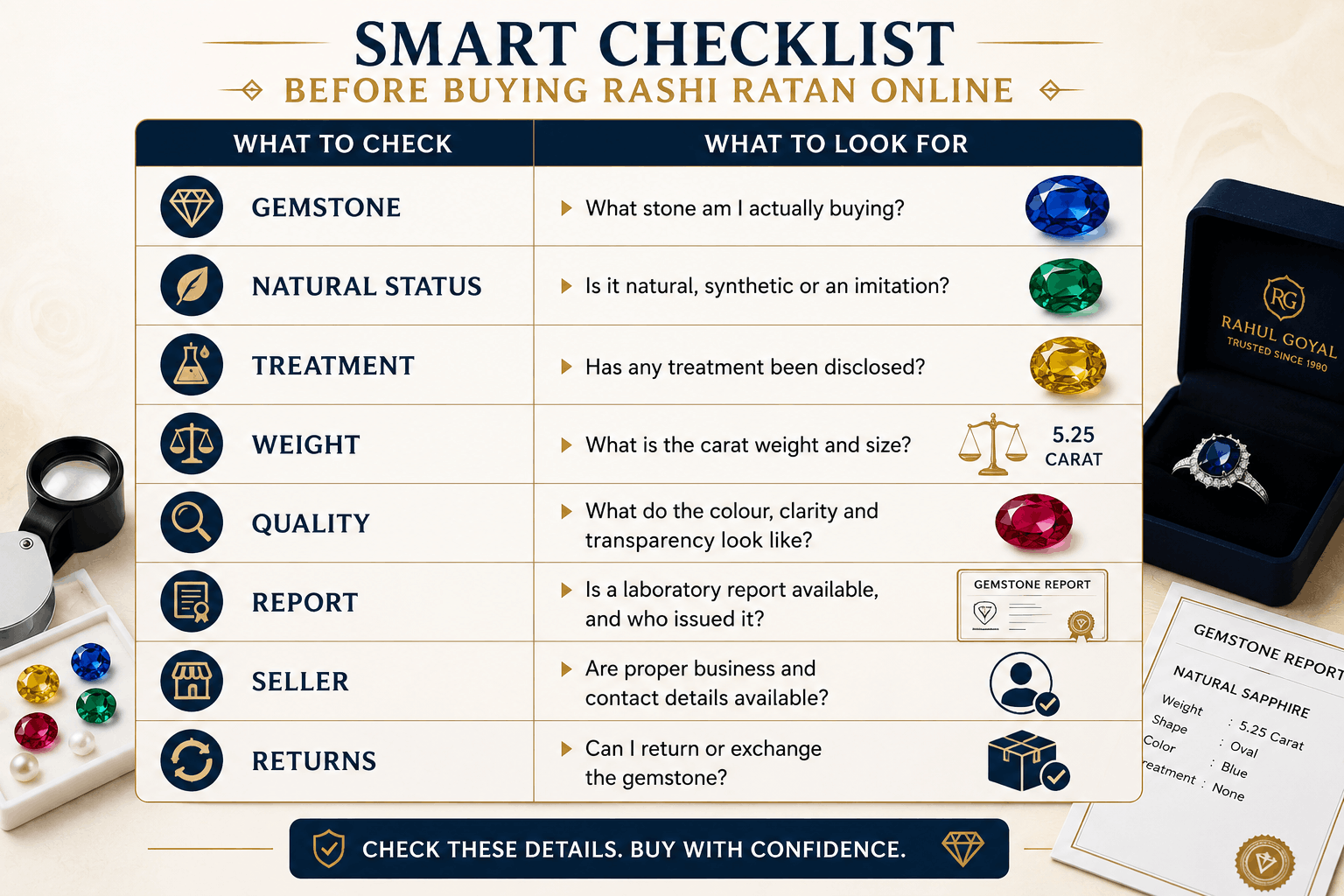
This small check is far more useful than choosing a gemstone because its photograph looks impressive.
There is nothing wrong with buying a Rashi Ratan online. In fact, shopping online can make it much easier to compare stones, prices and sellers.
The key is not to hurry.
Read beyond the product title. Find out whether the gemstone is natural or synthetic and whether treatment has been disclosed. If you're spending a large amount, look closely at the available laboratory report rather than simply trusting the word "certified".
And if astrology is the reason for your purchase, don't confuse a general Rashi association with a gemstone chosen specifically after considering a Kundli.
A few questions before you pay can save you from a disappointing purchase later.
Rashi Ratan is a term used for gemstones traditionally associated with different Rashis in Vedic astrology. These associations are usually connected with particular planets. A Rashi-based chart gives general information; a more personal recommendation may involve other details from the Kundli.
Yes. Just don't buy on appearance alone. Read the stone's description, check its weight, natural or synthetic status, treatment information and return conditions. For an expensive gemstone, also look at the available laboratory report.
You usually can't settle that question from a product photograph. Check how the seller describes the stone and ask for clarification where needed. When buying a valuable gemstone, an appropriate gemmological laboratory report can provide additional information about the stone.
No. A natural gemstone can also be treated. The important point for a buyer is whether the treatment has been clearly disclosed.
A Rashi chart can be used for general reference. In traditional Vedic astrology, a personalised gemstone recommendation may also consider Lagna, planetary positions and other details in the complete Kundli.
They may only look similar in photographs. Differences in weight, colour, clarity, transparency, treatment, natural or synthetic status and other quality factors can affect the price.
No. A laboratory report provides information about the gemstone. Astrological suitability is a separate matter and is based on the astrological approach being followed.
We Satisfied more than 700 Customers
Jaipur has its own reputation for gemstone cutting, polishing, trading and jewel...
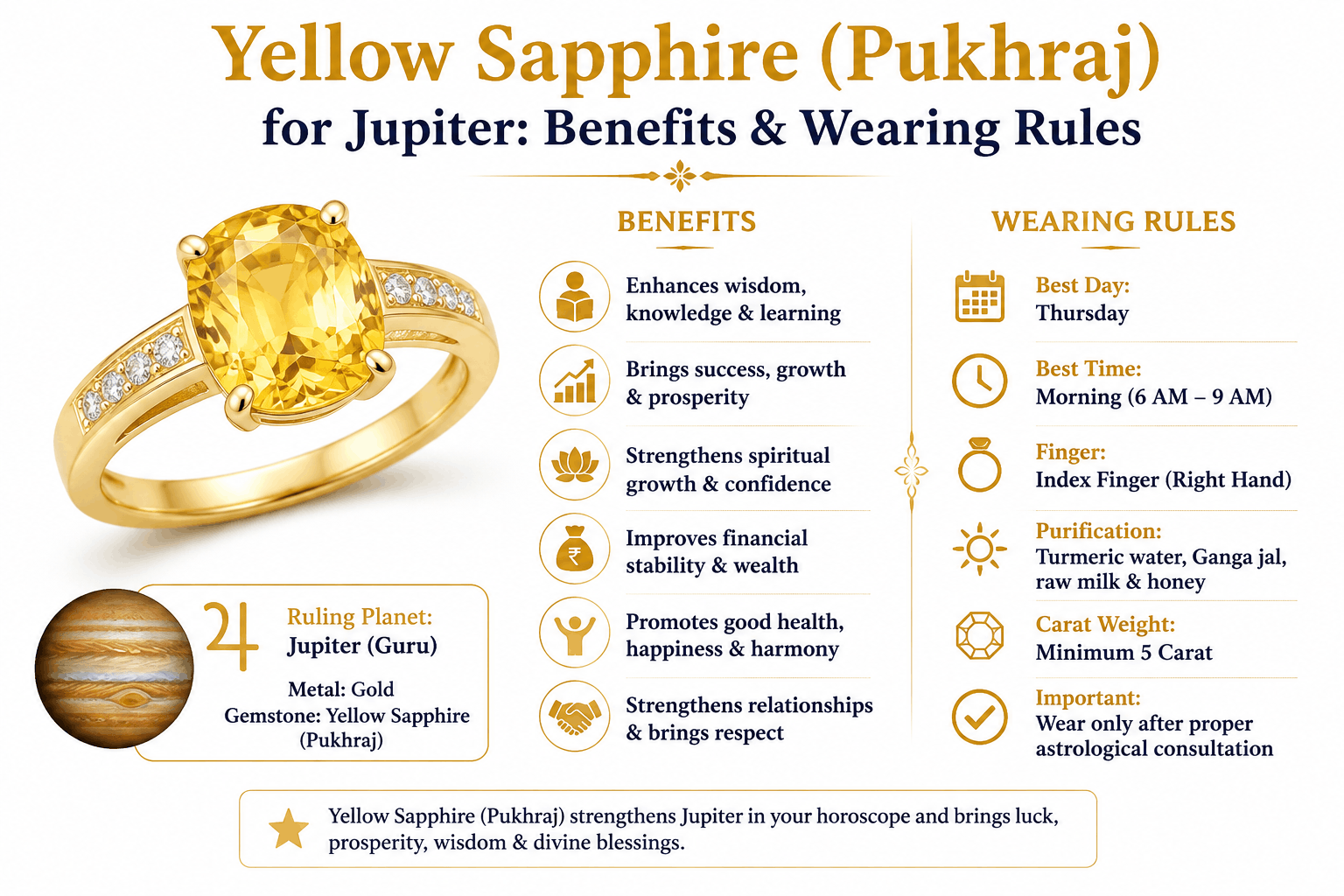
Yellow Sapphire popularly known as Pukhraj Ratna is one of the most auspicious g...
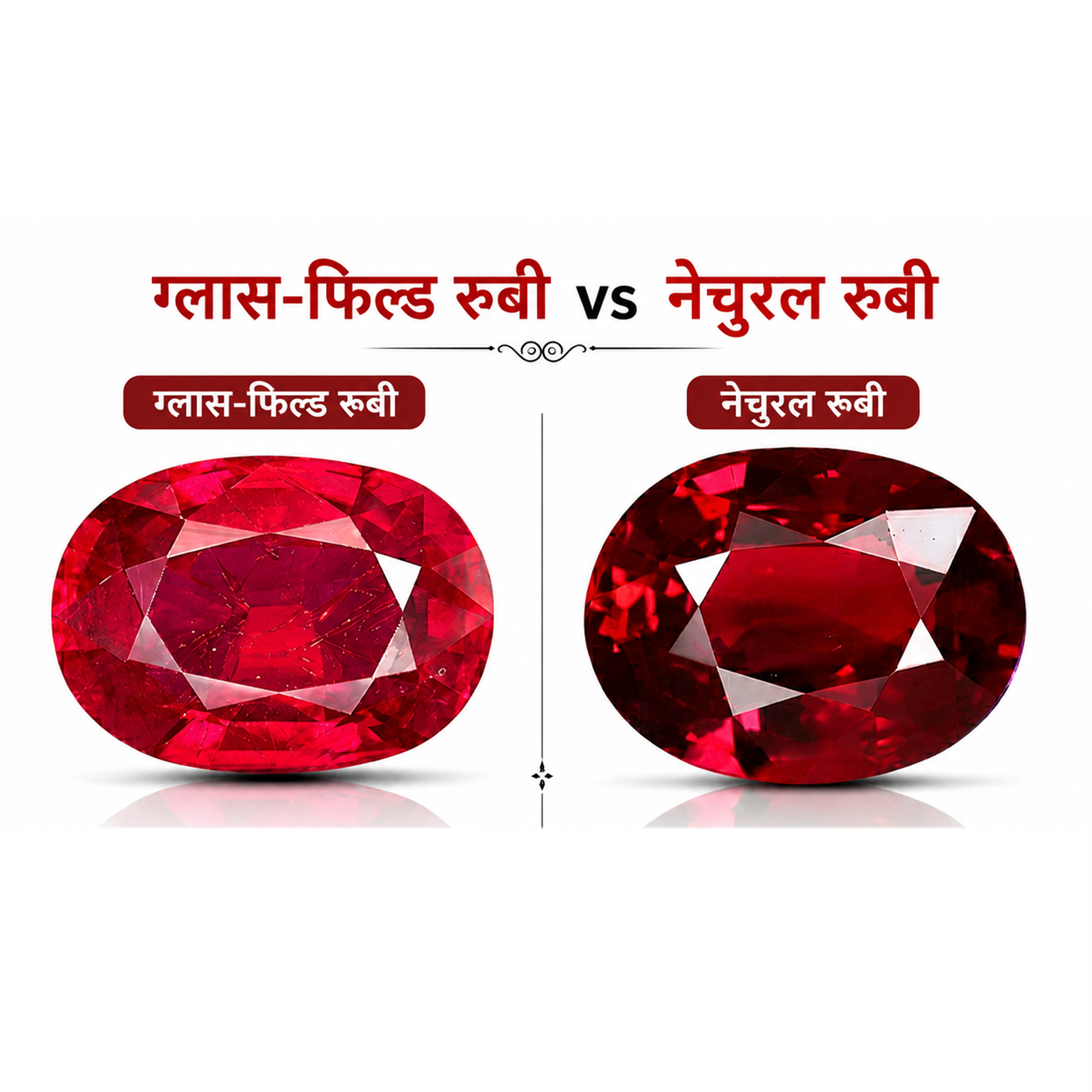
Natural Ruby vs Glass-Filled Ruby: पहचान कैसे करें और कौन-सा रूबी खरीदना चाहिए?...
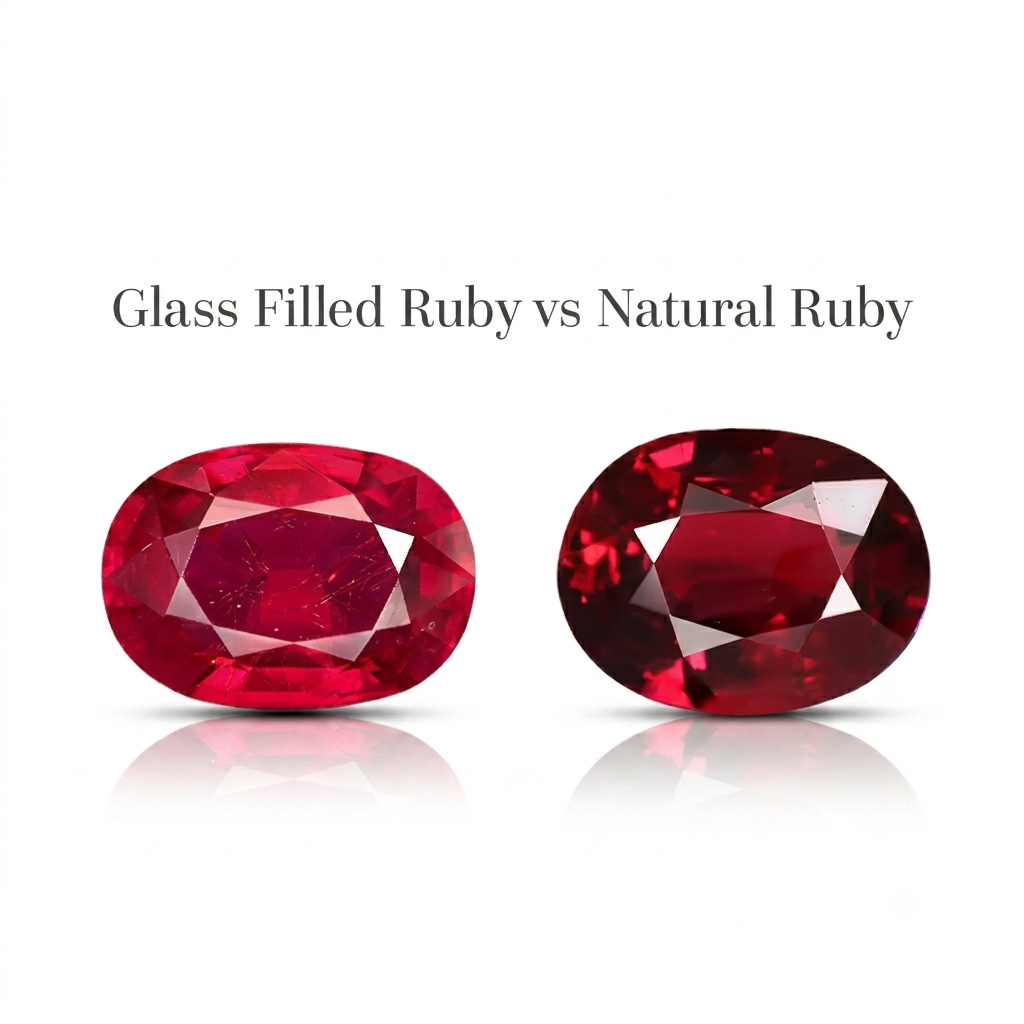
Ruby's one of the most sought after gemstones out there and in Vedic astrolo...
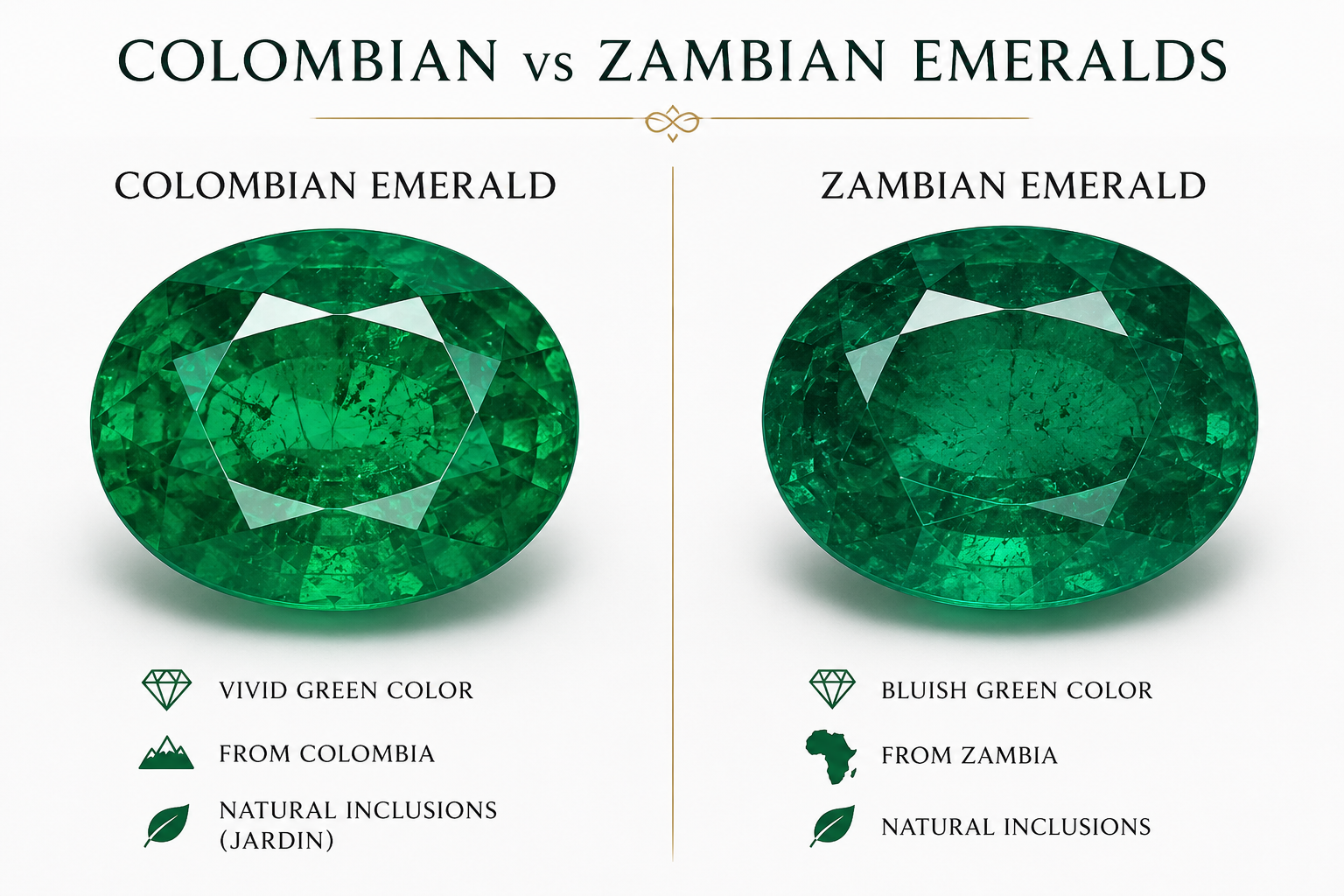
Two names dominate any conversation about where the best emerald comes from, Col...
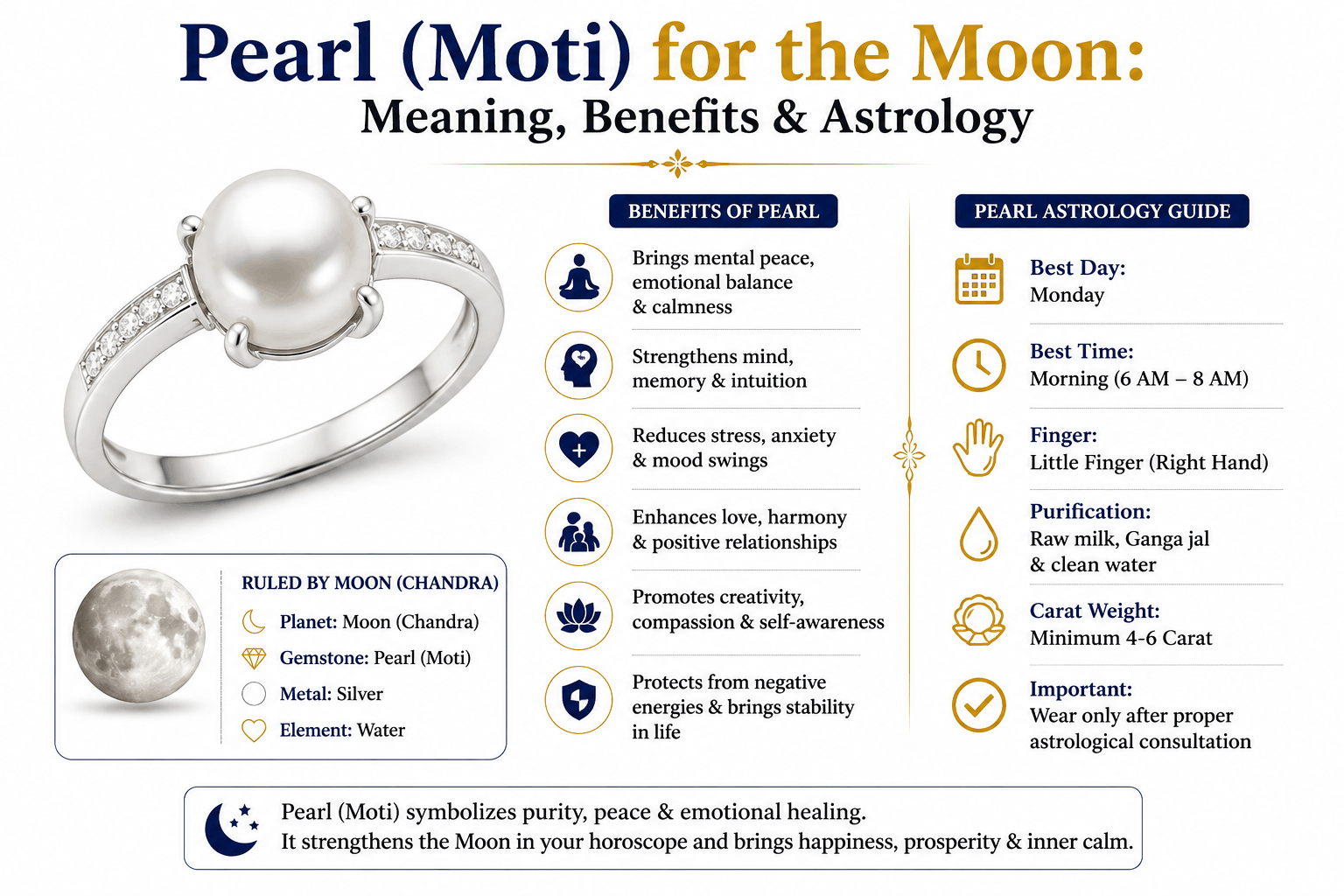
Pearl (Moti) for the Moon: Meaning, Benefits & Astrology Pearl popularly...
Shopping for a Rashi Ratan online can get confusing pretty quickly. Search for o...
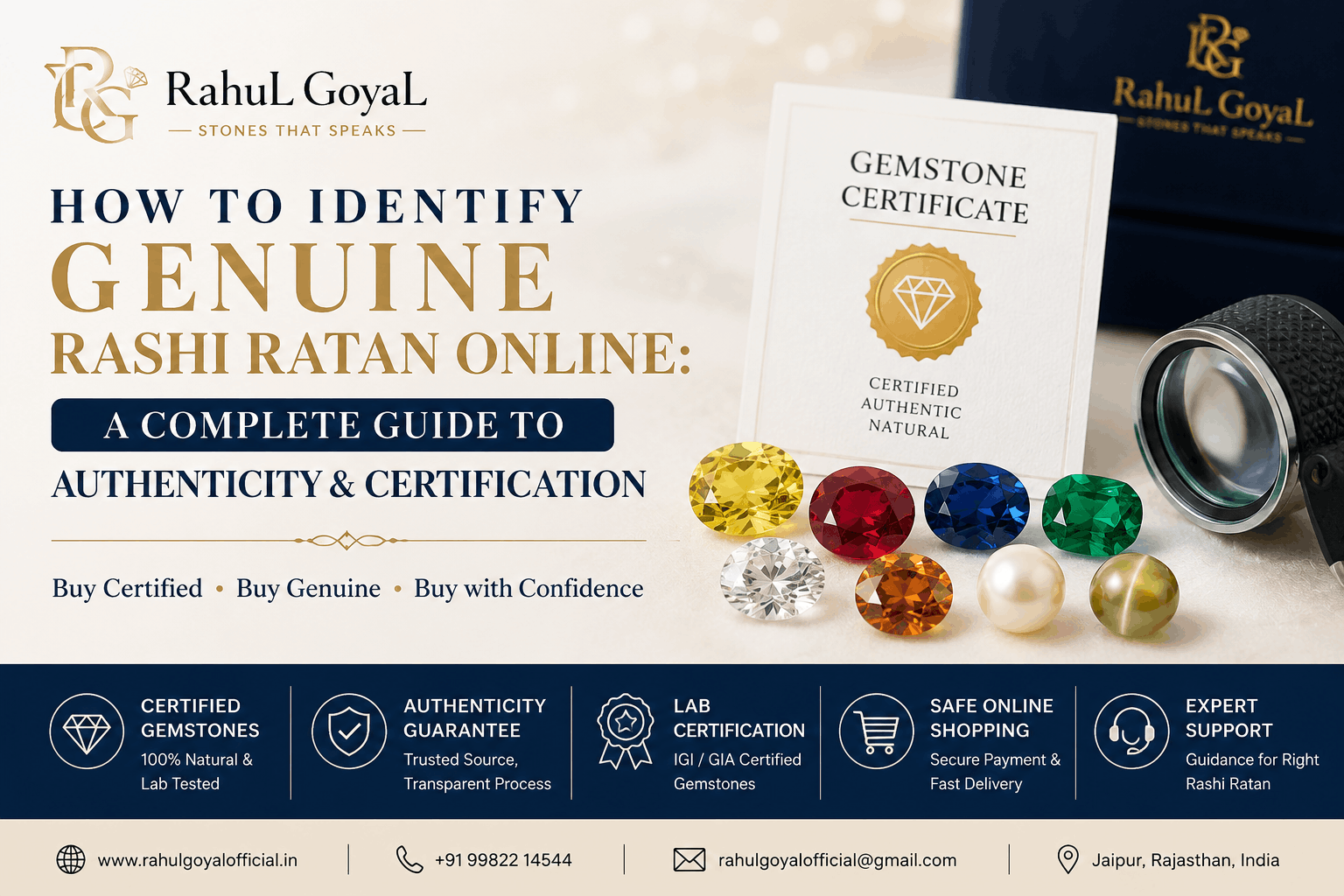
Buying a Rashi Ratan online gives you plenty of choice, but there is one obvious...
Discover our handcrafted silver treasures and add something beautiful.
Explore Collections