Buy Rashi Ratan Online How to Choose Authentic & Certified Gemstones
The process of selecting the perfect gemstone involves more than just choosing a...
By admin
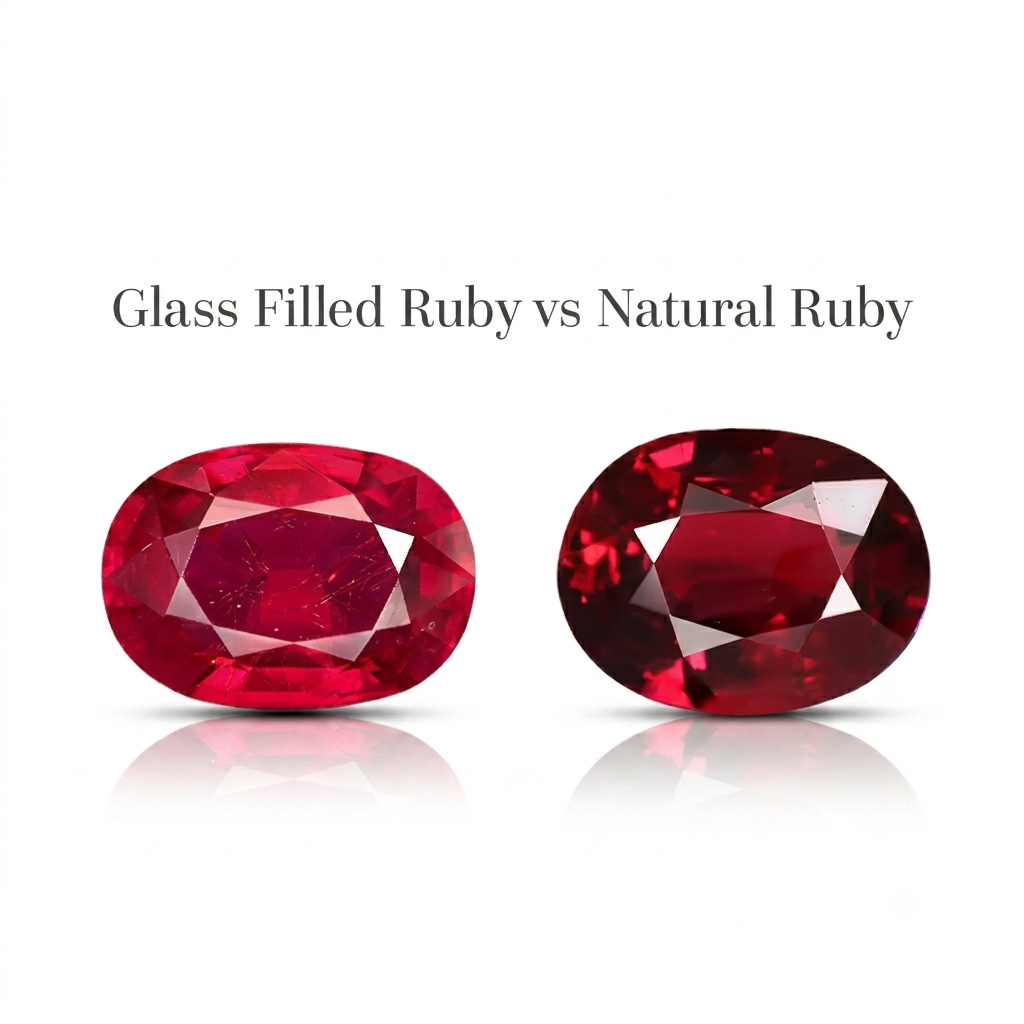
Ruby's one of the most sought after gemstones out there and in Vedic astrology it's the go to stone for strengthening the Sun. Here's the problem though: not everything sold under the name ruby is actually ruby, not in any way that matters. A big chunk of what's floating around cheap is glass filled, dressed up to look convincing in a shop display but a genuinely different product underneath. If Manik is what you are after, for jewellery or for wearing it astrologically, this isn't a minor detail to skim past. It's the whole decision.
Corundum, that's the mineral family, same one sapphire belongs to, and what turns it red is chromium trapped inside the crystal structure as it forms, deep underground, over millions of years. That timeline matters, it's where the hardness comes from, the durability and in Vedic tradition, the stone's supposed ability to carry the Sun's energy in the first place. Minor treatment still happens even with natural stones, heat treatment to improve colour is standard practice and nobody in the trade blinks at it, but underneath all that, the material itself stays ruby.
Start with junk grade corundum, so fractured and included it'd basically be worthless untouched. Then manufacturers pump lead-glass into every crack under high heat and suddenly the clarity looks great, the colour pops, and to anyone not looking closely, it reads as a clean, rich ruby. Except a real chunk of what you're holding, could be a fifth of it, could be half, isn't corundum anymore, it's glass. Not a total fake, to be fair, there's genuine corundum in there somewhere. But altered so heavily that most gemmological bodies won't even file it under natural gemstone anymore.
Nine on the Mohs scale, that's natural ruby, second only to diamond and it'll wear fine for decades without much drama. Glass-filled ruby doesn't get that luxury. It's only as tough as its weakest link and that link is soft glass sitting inside cracks, cracking further, breaking down under stress a natural stone wouldn't even register. A jewellery cleaner. A hot shower. Too much sun over time. Any of these can cloud the filling, discolour it or pull it right out of the stone, leaving something dull and visibly damaged behind.
Big, clean, well coloured natural ruby costs real money, it's up there among the most expensive coloured stones anywhere. Glass-filled versions go for a sliver of that, which tracks, since the raw material underneath was nearly worthless before treatment. So when a natural ruby is priced way below what its size and clarity should command, that's the tell. Worth just asking outright whether it's been glass filled before handing over money.
Grab a loupe, honestly that's usually enough to start. Glass fillings tend to give themselves away, tiny trapped gas bubbles, a flash of rainbow color at certain angles, a slightly off lustre right where glass meets the natural stone. None of that shows up in something genuinely natural or simply heat treated. For anything beyond a casual purchase though, don't rely on eyeballing it, a certificate from an actual gemmological lab is really the only way to know for sure whether you're looking at natural corundum, heat treated corundum or a glass-filled composite.
The whole idea behind Vedic gemstone therapy is that a stone channels planetary energy through its natural crystalline structure, something that took shape over an enormous span of time under very specific conditions. Glass filled ruby just doesn't hold up that end of the bargain, a big portion of it isn't ruby at all, it's man made glass sitting where natural material used to be, with zero connection to the Sun in the way the tradition describes. Ask most astrologers recommending Manik and they'll specify natural or lightly heat treated stone only, glass filled generally gets ruled out entirely, no matter how good it looks on the surface.
There's a place for glass filled ruby, sure, costume pieces, decorative jewellery, anywhere authenticity was never really the point to begin with. But for daily wear, for the durability, or for actual astrological purposes, natural ruby is really the only option worth considering. That price gap isn't just branding, it reflects an entirely different product. Ask for certification and if a ruby's priced suspiciously low for its size and colour, treat that as a red flag rather than a lucky find.
How do you spot a glass filled ruby without shipping it off to a lab?
A loupe gets you most of the way, look for tiny trapped bubbles or a rainbow flash when you tilt the stone. It's not airtight as a method though, so for anything expensive, spend the extra money on an actual gemological certificate.
Is glass filled ruby basically the same thing as a fake or synthetic ruby?
Not quite, there's real corundum sitting inside a glass-filled stone, it's just been treated so heavily with lead glass that a large chunk of its volume stopped being natural material. Gemmological labs generally keep it in its own category, separate from both natural ruby and lab grown synthetic ruby, since the process behind it isn't really either of those things.
Can you wear glass-filled ruby for astrological purposes?
Most astrologers would say no. The stone's natural crystal structure, the part that's supposed to carry the Sun's energy, has been altered too much by the glass filling to work the way tradition intends. If Manik's going toward astrological wear specifically, a certified natural or heat treated stone is the safer route, no real debate there among practitioners.
We Satisfied more than 700 Customers
The process of selecting the perfect gemstone involves more than just choosing a...
Yellow Sapphire popularly known as Pukhraj Ratna is one of the most auspicious g...
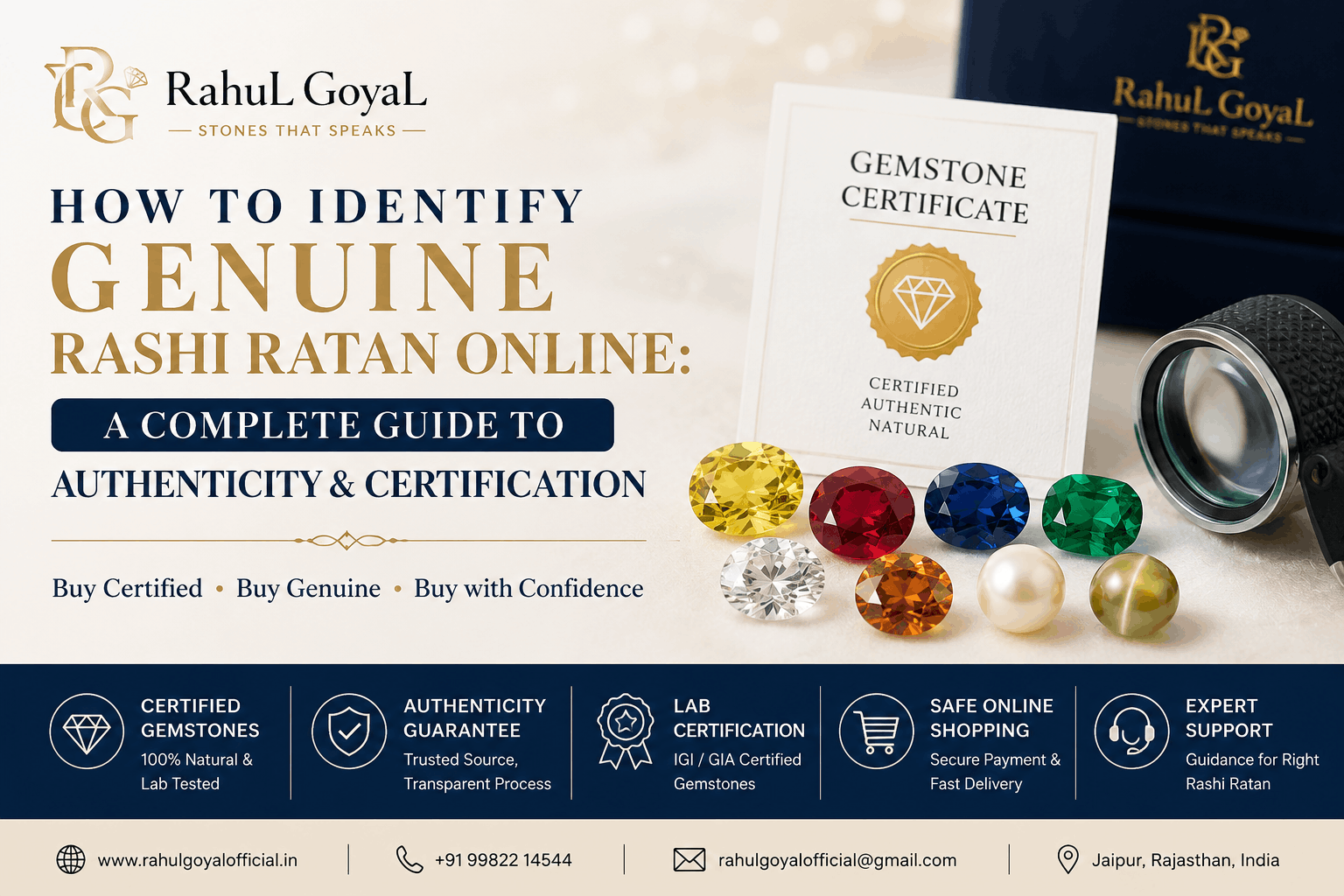
Buying a Rashi Ratan online gives you plenty of choice, but there is one obvious...
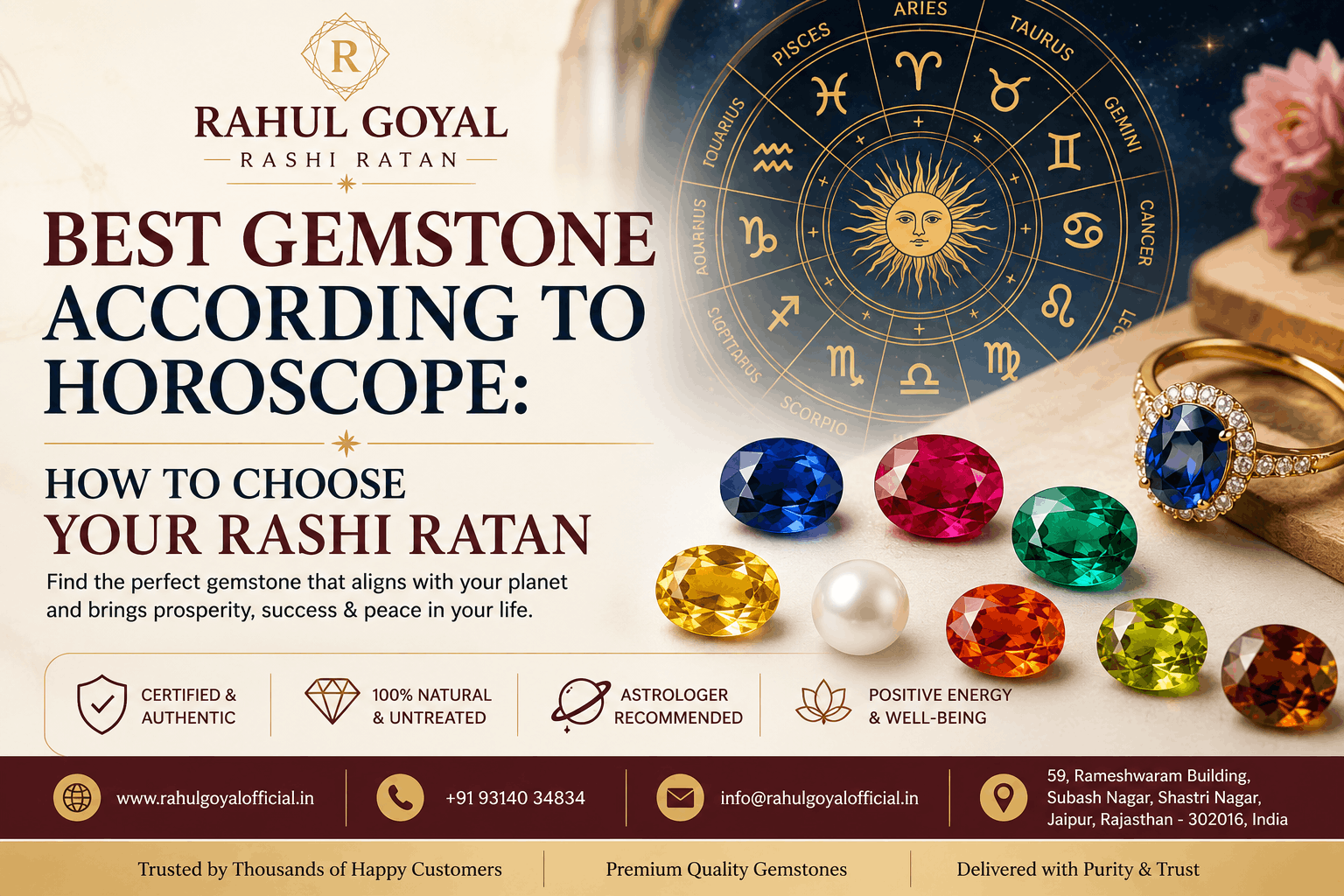
If you are trying to find the best gemstone according to horoscopes, a Rashi cha...
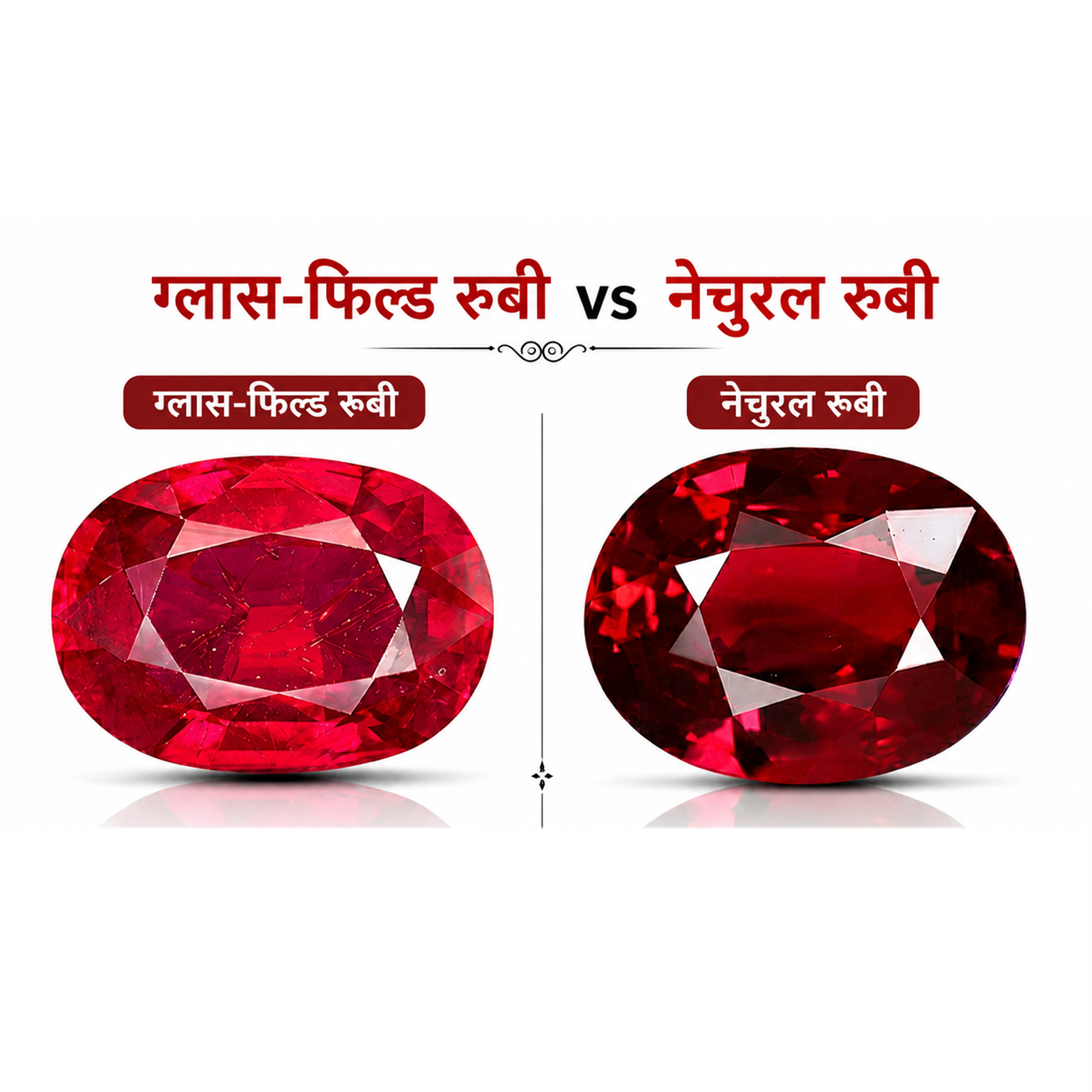
Natural Ruby vs Glass-Filled Ruby: पहचान कैसे करें और कौन-सा रूबी खरीदना चाहिए?...

Jaipur has its own reputation for gemstone cutting, polishing, trading and jewel...
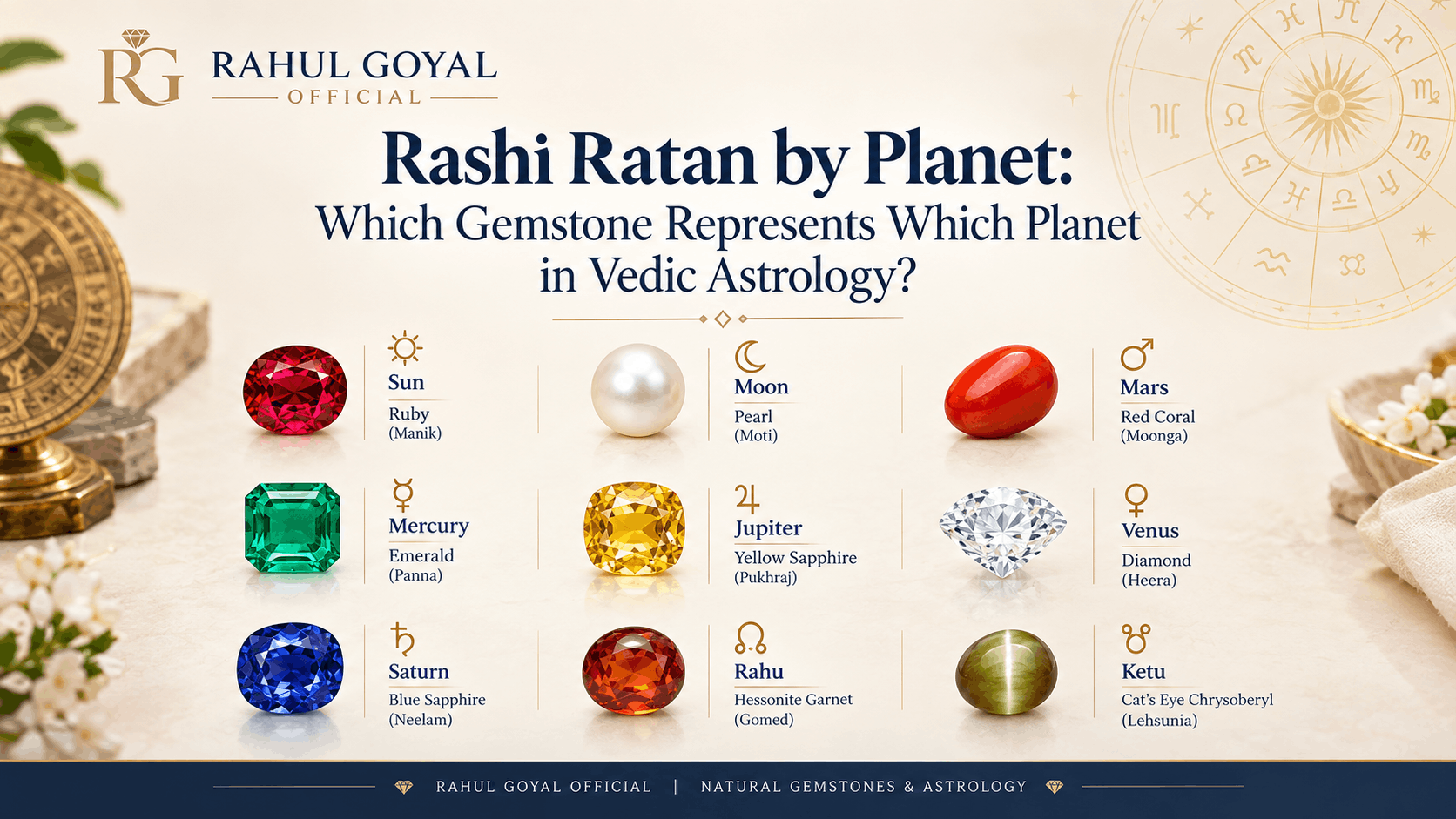
The traditional Rashi Ratan by planet, or Navagraha gemstones, list connects the...
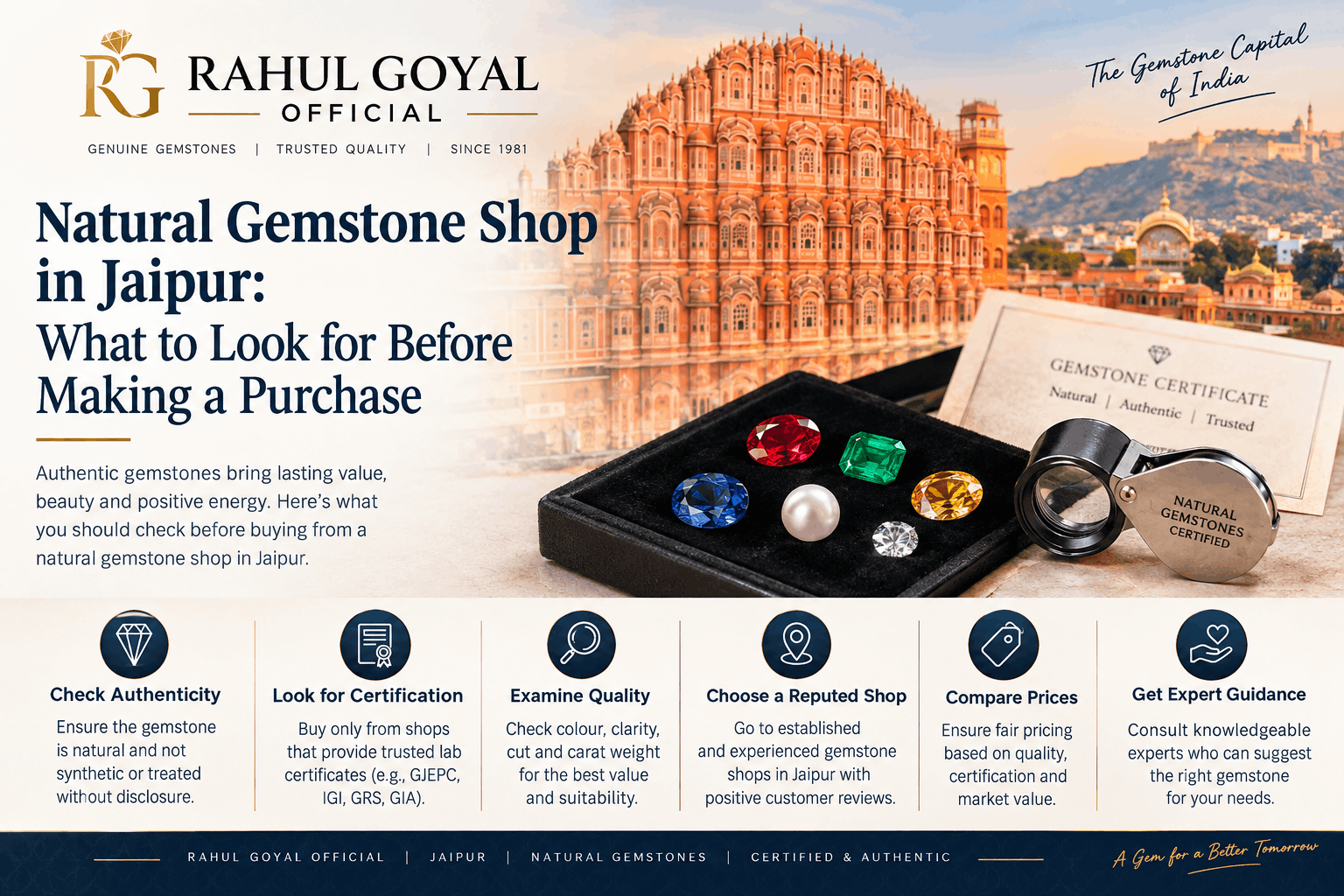
Buying a gemstone in Jaipur can be confusing, especially when similar looking st...
Discover our handcrafted silver treasures and add something beautiful.
Explore Collections